Product total
€0.00
Shipping : Continue to next step
Total (tax incl.)
€0.00
2-Year Manufacturer Warranty
Sold and shipped by Cinna
30-Day Returns

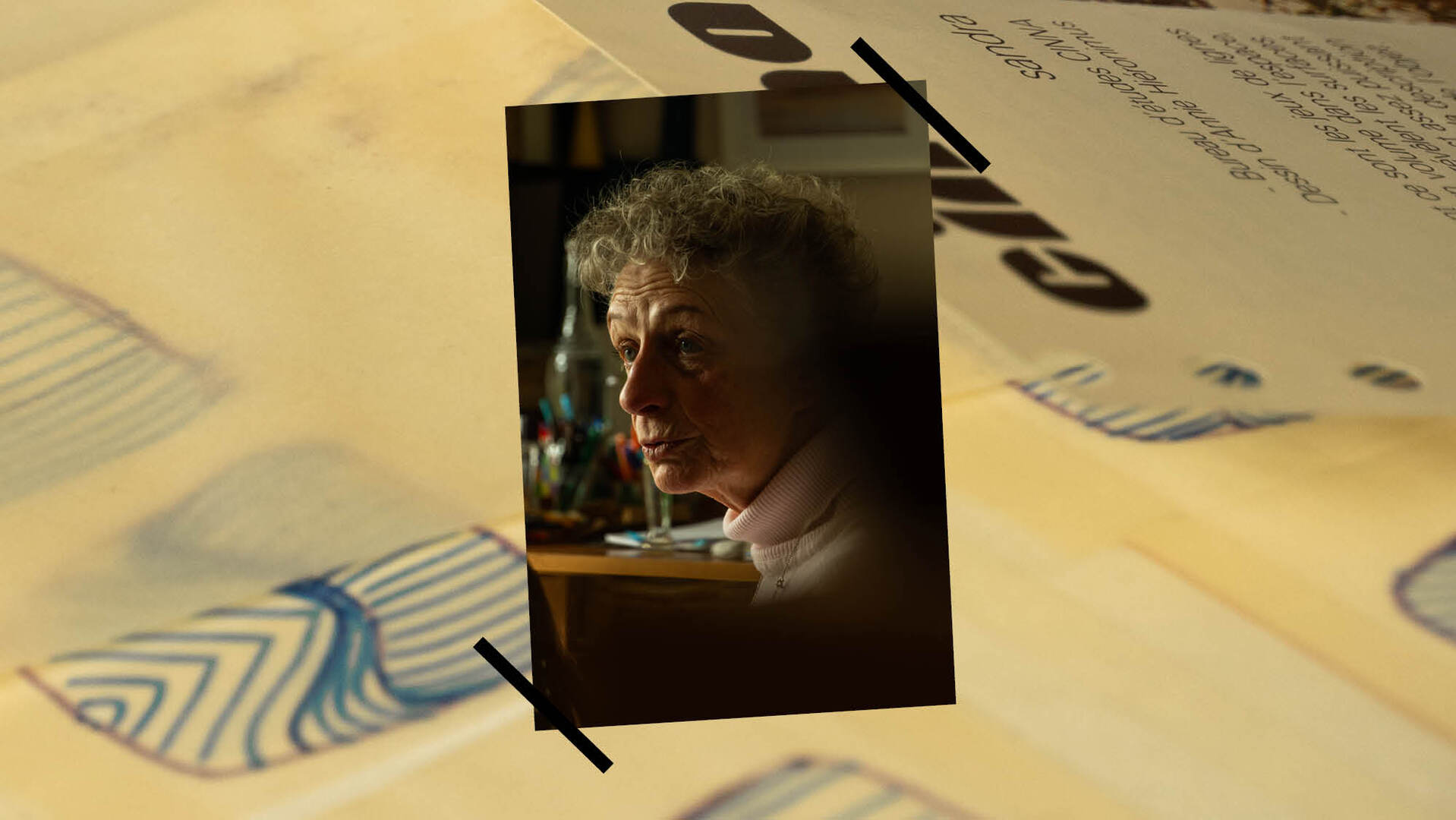
Of Annie Hiéronimus, we know very little. She is a modest person… who said of herself mischievously that she was a « minor character » in the world of design. And yet… The only female in the Cinna R&D department between 1976 and 1996, in nearly 20 years she created a number of innovative pieces of seating, some of which have become icons. Sandra is one of hers, as is Plumy. We had the great pleasure of being welcomed into her home. With her, we leafed through the pages of her sketch books, spanning 20 years of design in the process. A meeting with a sacred woman, lively, funny, creative. And generous, and incisive. Not very big… that’s true. Unless, of course, in terms of personality!
A.H. Let’s say there was an artistic family tradition. My great-uncle was a painter, and his father a draughtsman and engraver. My father was a radio technician, but made small figurines in enamelled tin. My grandmother was a theatre actress and musician. I had several talents myself… I was a frequent visitor to ‘l’atelier des moins de 15 ans du Louvre’. After the baccalauréat, I did a year’s masters course in Penninghen, but I hated it. Then in 1972, I started at the arts appliqués, rue Olivier de Serre, and there… I loved it. It was marvellous. Professionals, teaching us their craft : stained glass, decorative plasterwork, etc. My uncle, Alain Hiéronimus, lectured on colour, and Robert Wogensky on upholstery. It was technical and artistic training, we had umpteen workshops, wonderful openness of spirit. We had no automatic gestures, struck no “poses”. Our design had a sense, an aim. And we knew how to adapt ourselves. So when I arrived at Cinna, and I was asked to design armchairs… well, I became used to the word armchair.
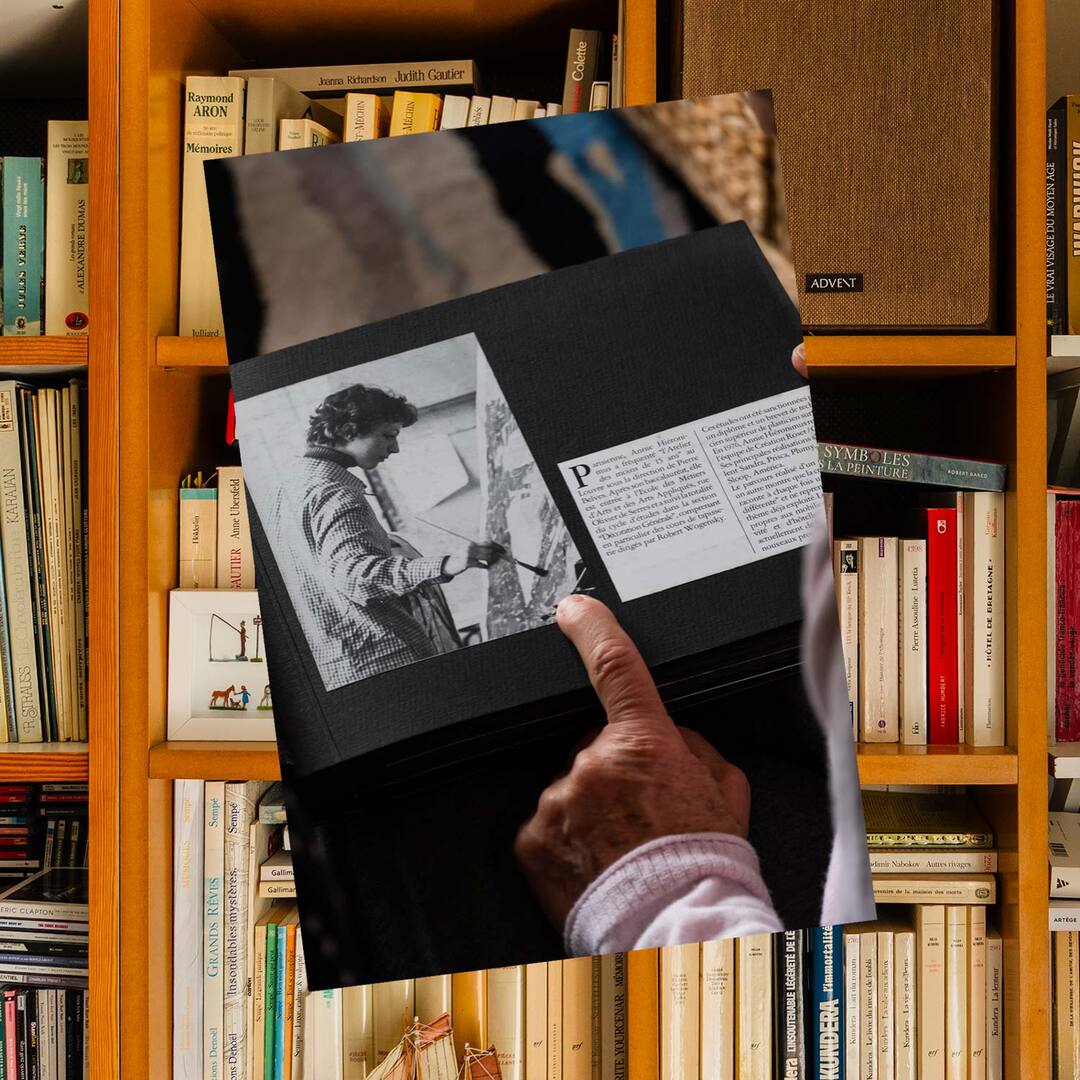
A.H. I had my ‘diplôme des métiers d’art’, or more precisely, a ‘BTS’ in surface plastic arts. Great ! But I still needed to find work. Then one day, I spot a small advert from Cinna in the Express newspaper seeking a draftsperson-designer for their R&D department. I applied without stopping to think. When I arrived, Michel Ducaroy, who was senior in the R&D department (he had already created Togo), showed me round the factory. And that’s how it started : with an explanation of the specifics of each model, and of the quilting. Then I was left in the office with my papers and pens. And was asked to design an armchair [smiles]. Just like that ! I had always had a geometrical spirit, which helped ! I put it to work in support of my artistic sensibility.
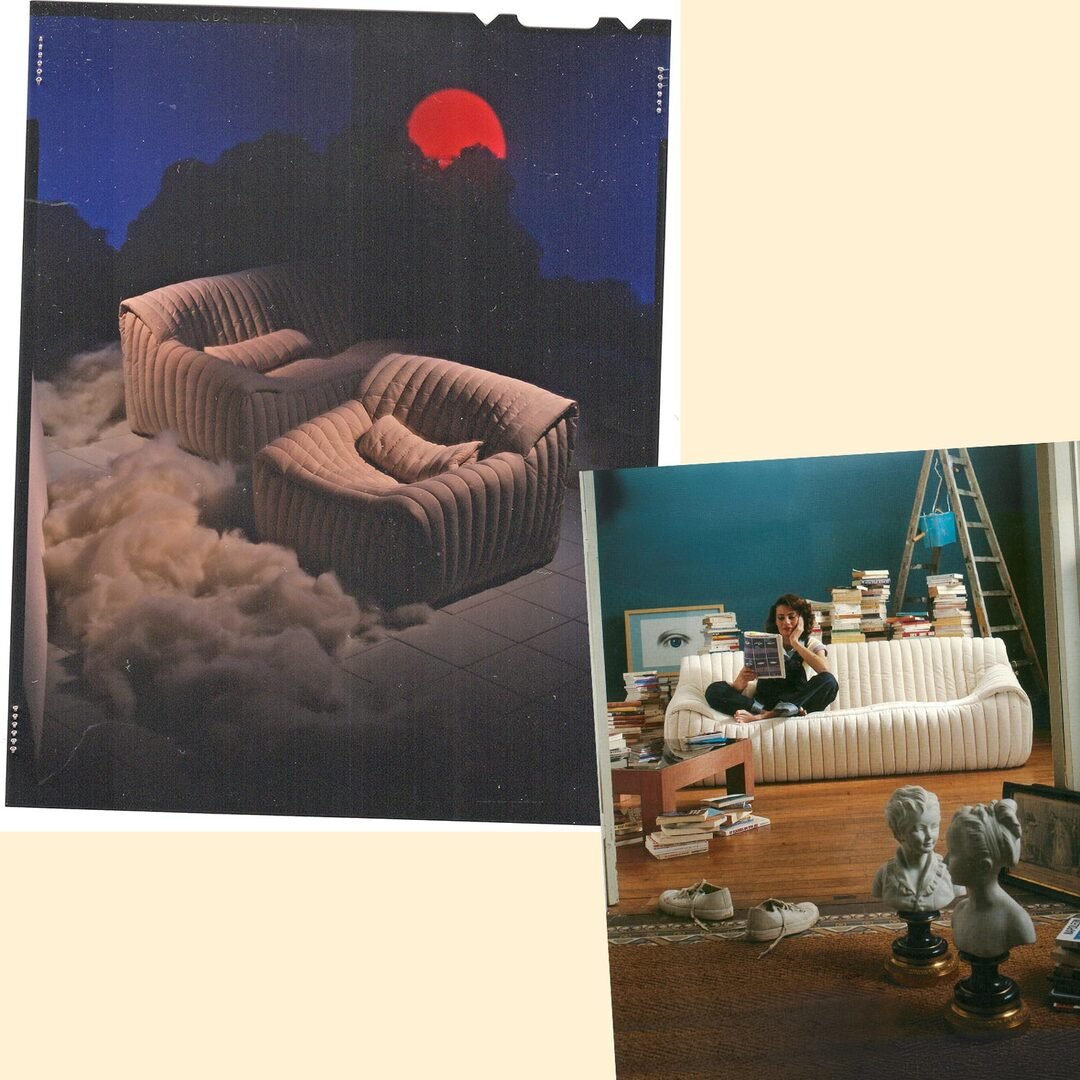
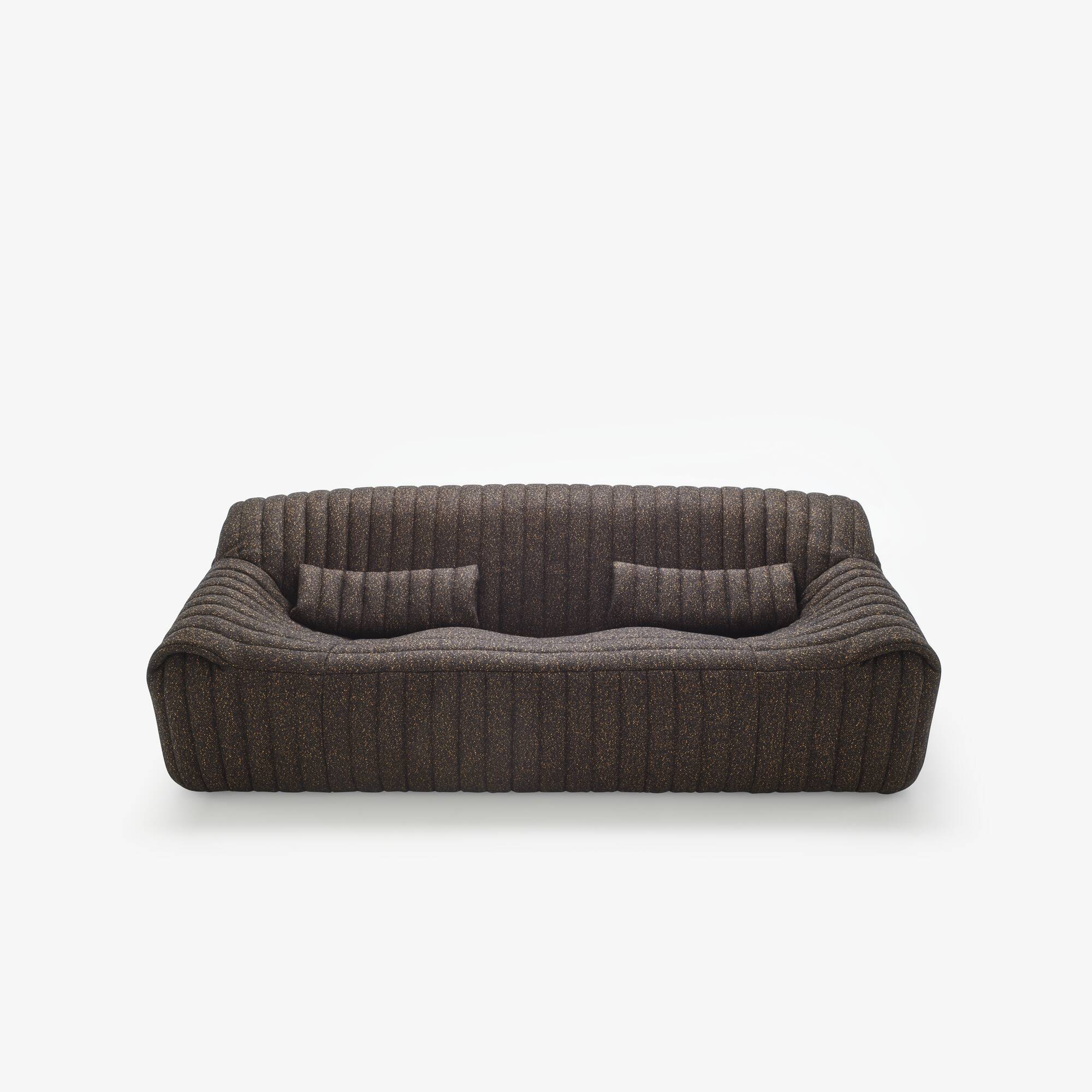
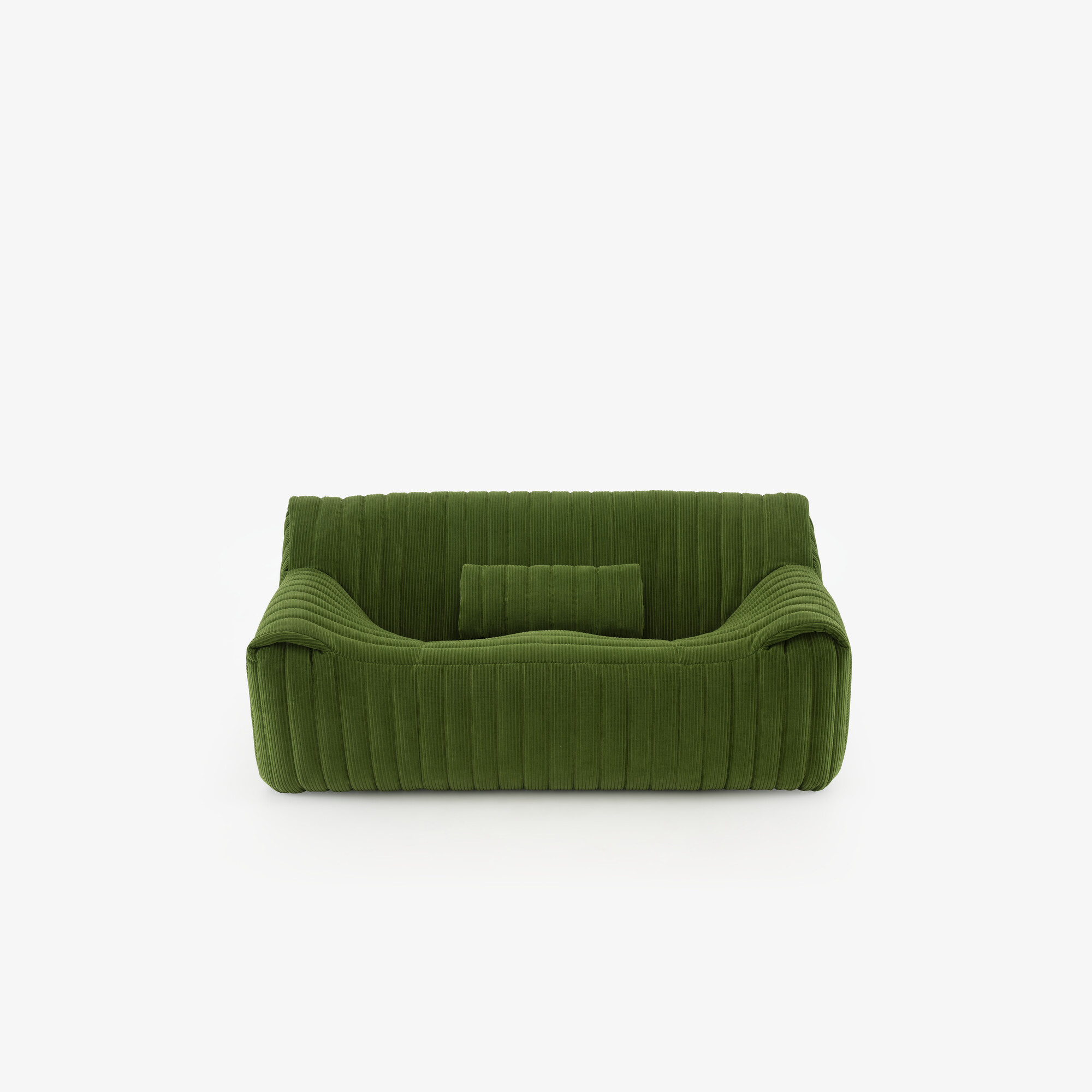
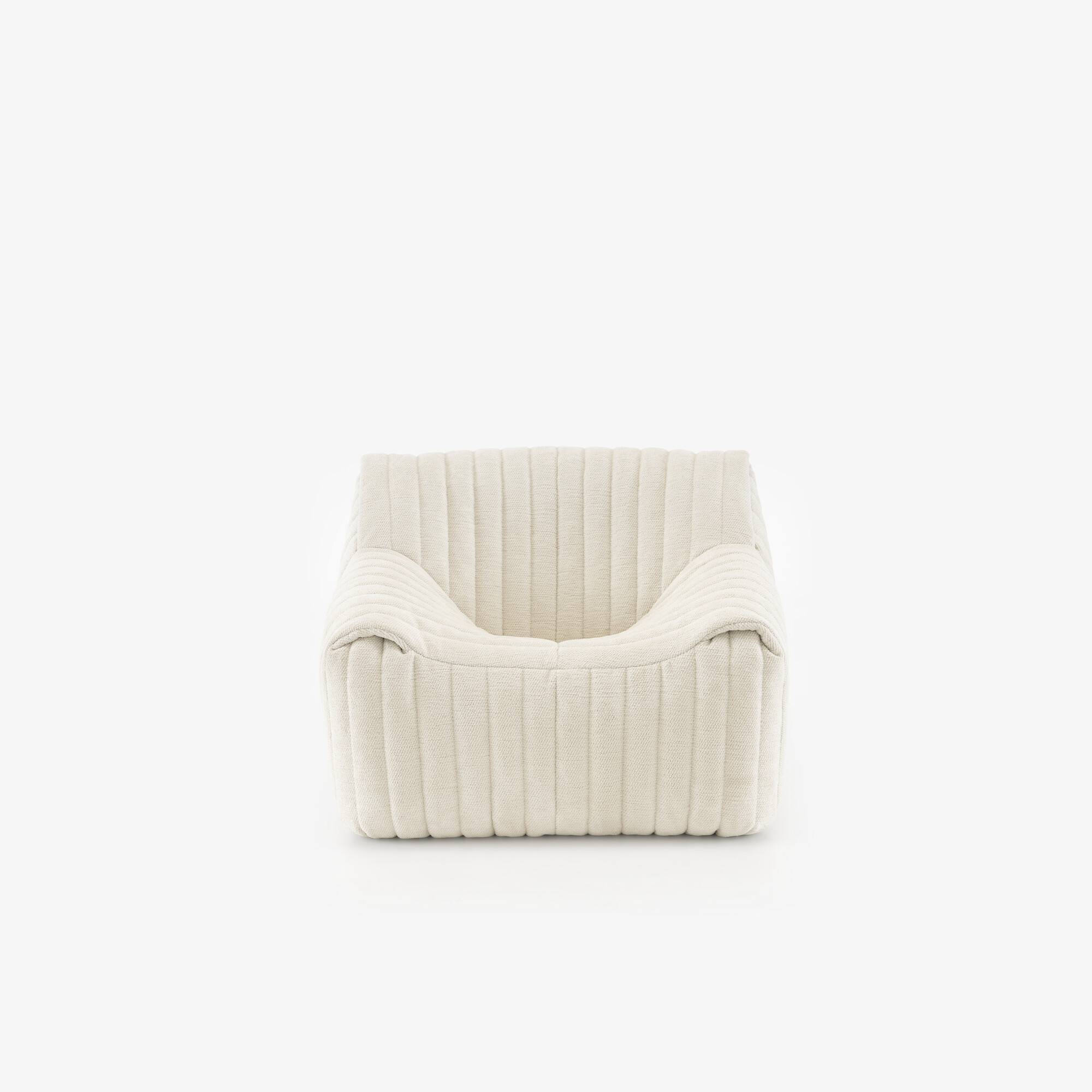
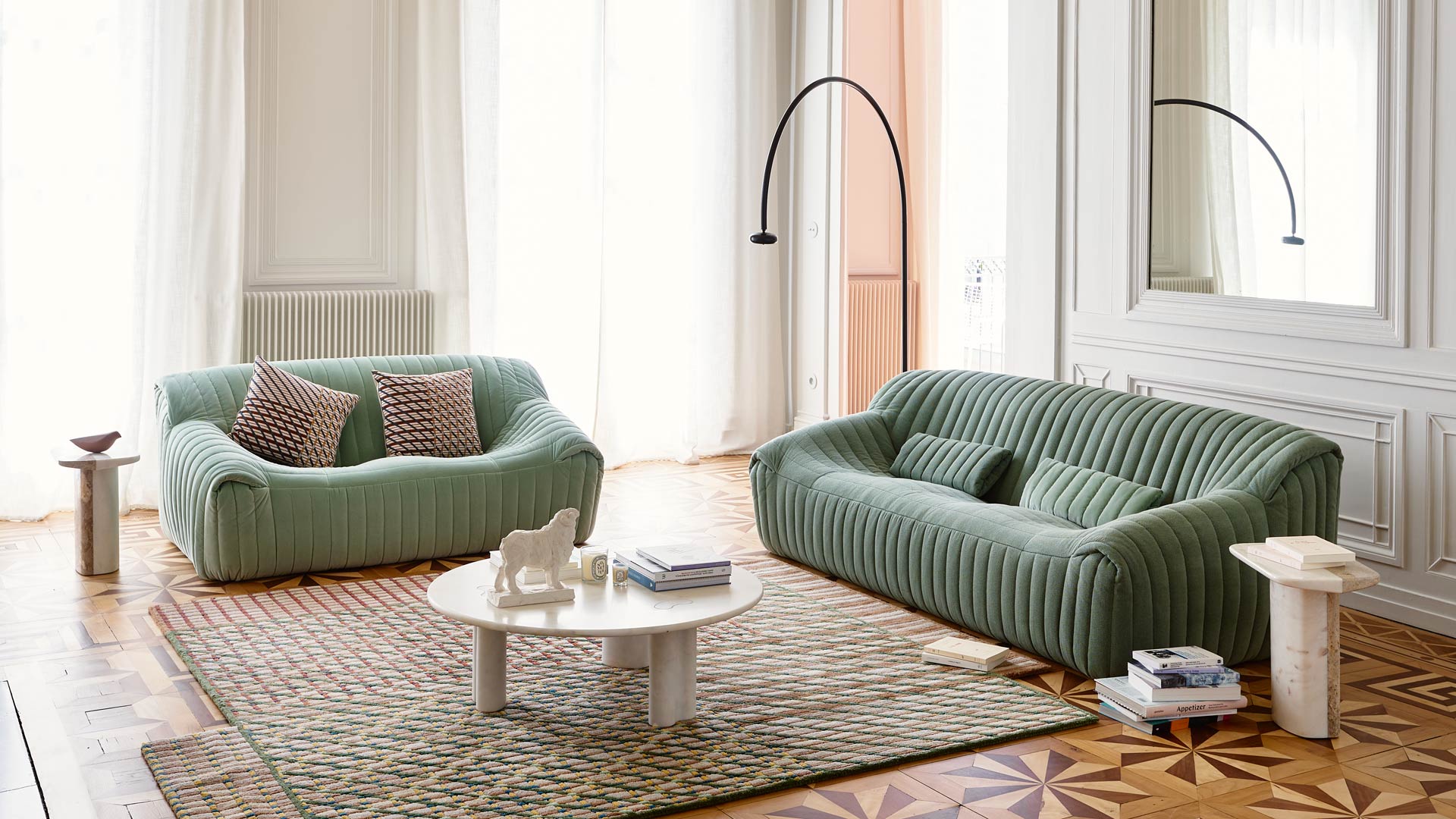
A.H. Sandra was a peony first and foremost. And then I began to think about the way in which I had learnt at Olivier de Serre, that is, to adapt myself to the subject : an armchair, sitting down, comfort. Doing nothing
unnecessary. From the initial sketches, I wanted to play with the geometry of the quilting, trying to distance myself as much as possible from the influence of Togo. I began the project in March 1977. And after drawing and drawing, I found the key : playing with lines of horizontal and vertical quilting to create a cosy nest. I envisaged criss-crossing layers which enveloped the seat. Like a piece of clothing. I drew up the plans, the prototyping shop did the rest. The
prototyping team were highly inventive, and unbelievable technicians. I produced a presentation drawing at the end of the project, and submitted it to Michel Roset. If it was approved, it would go onto the development stage.
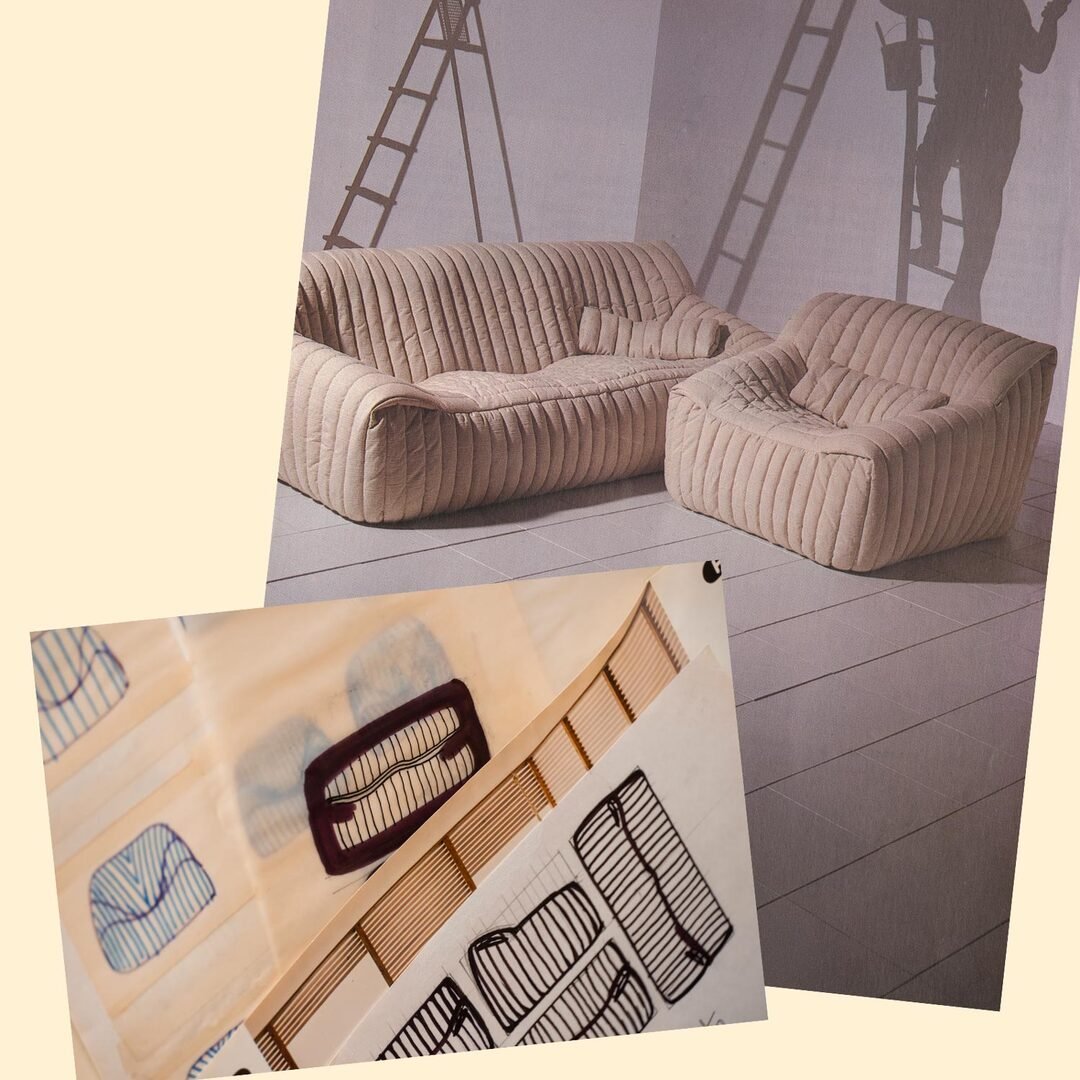
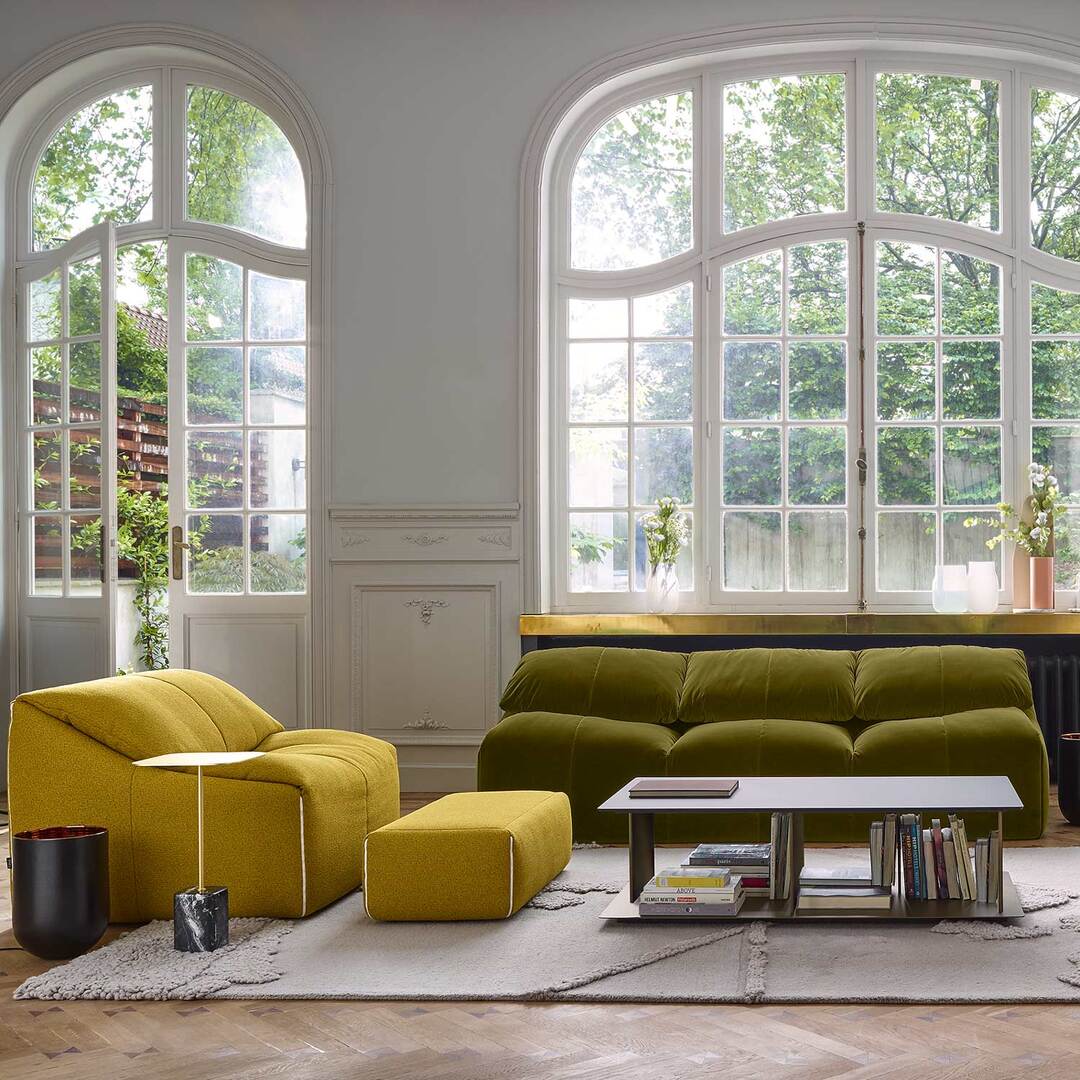
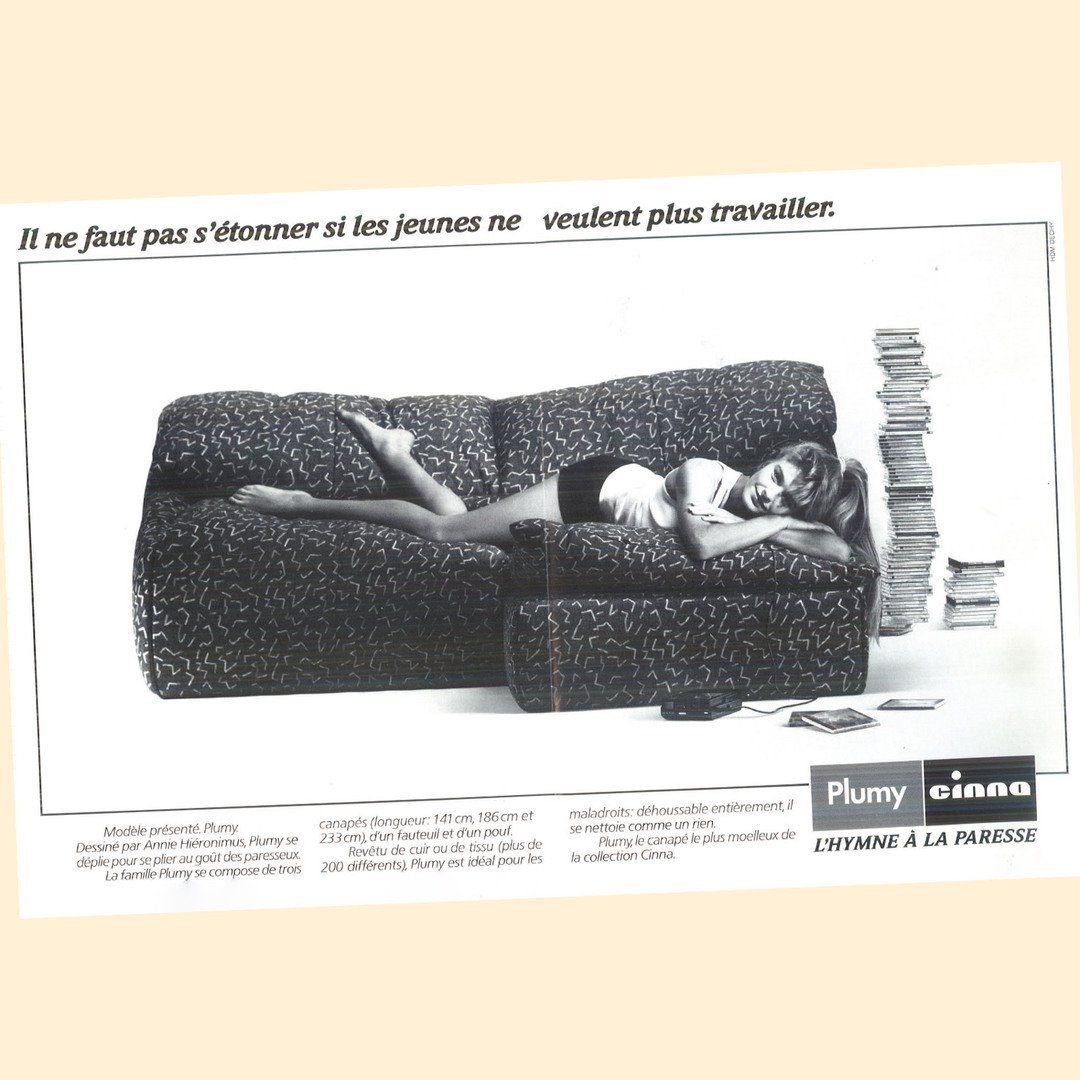
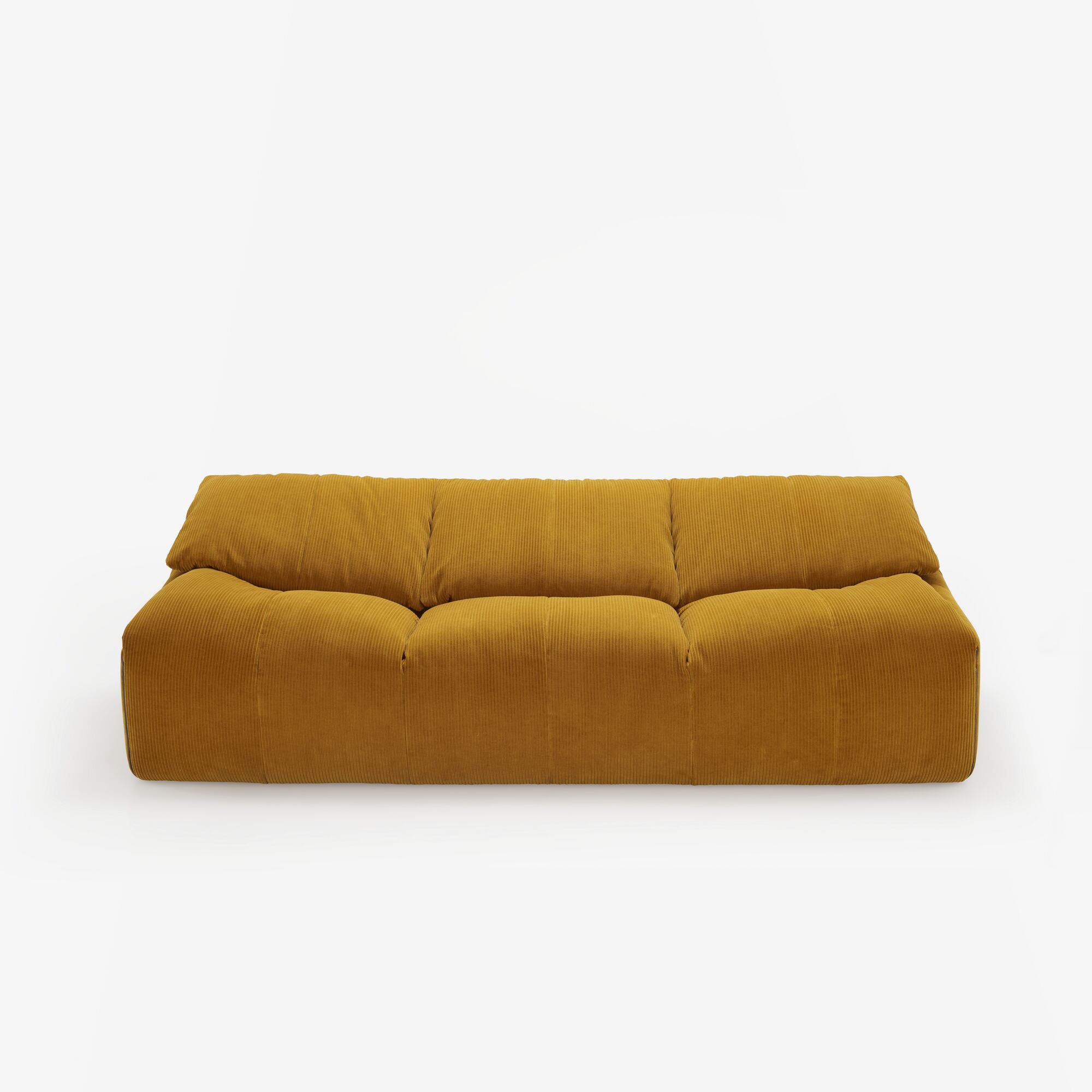
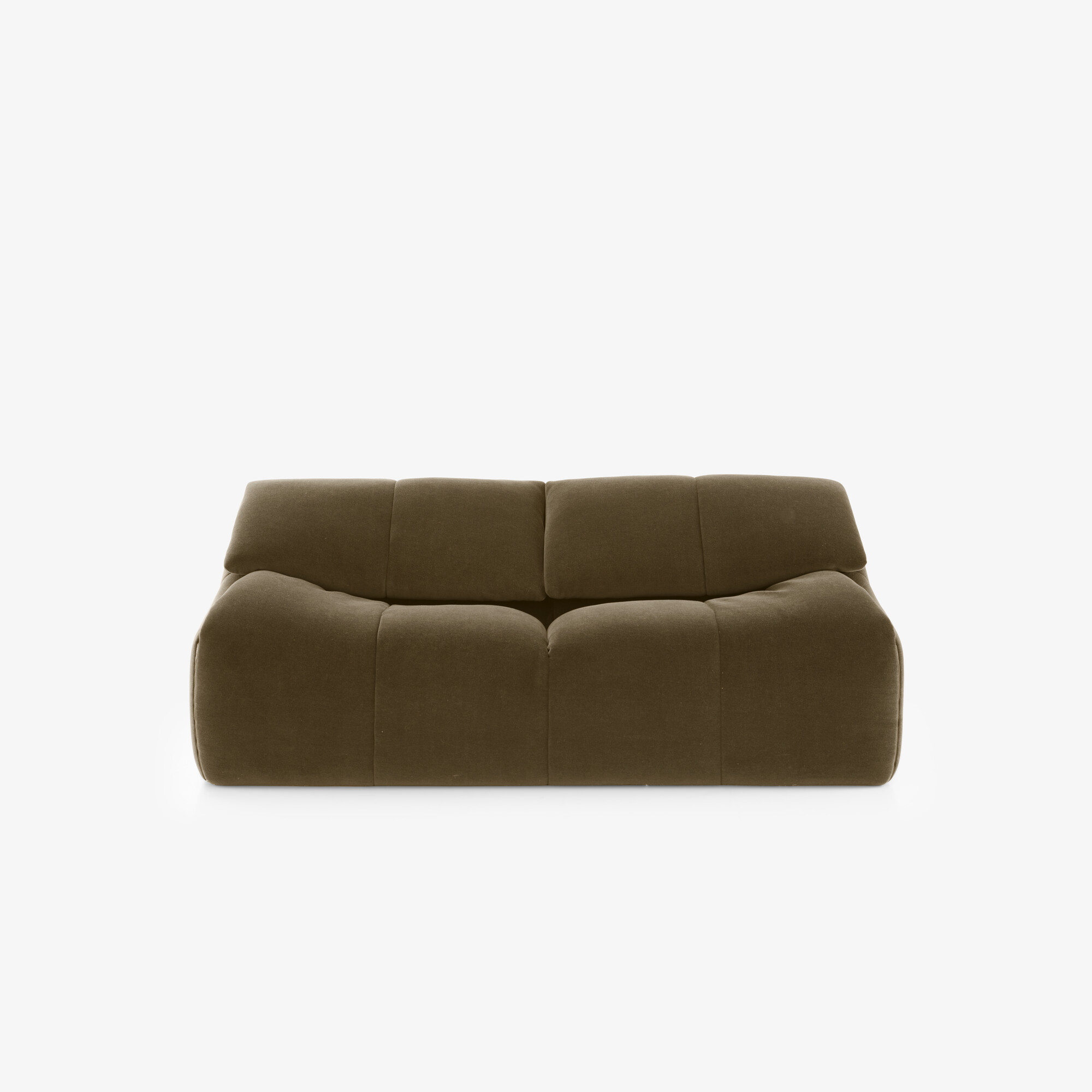
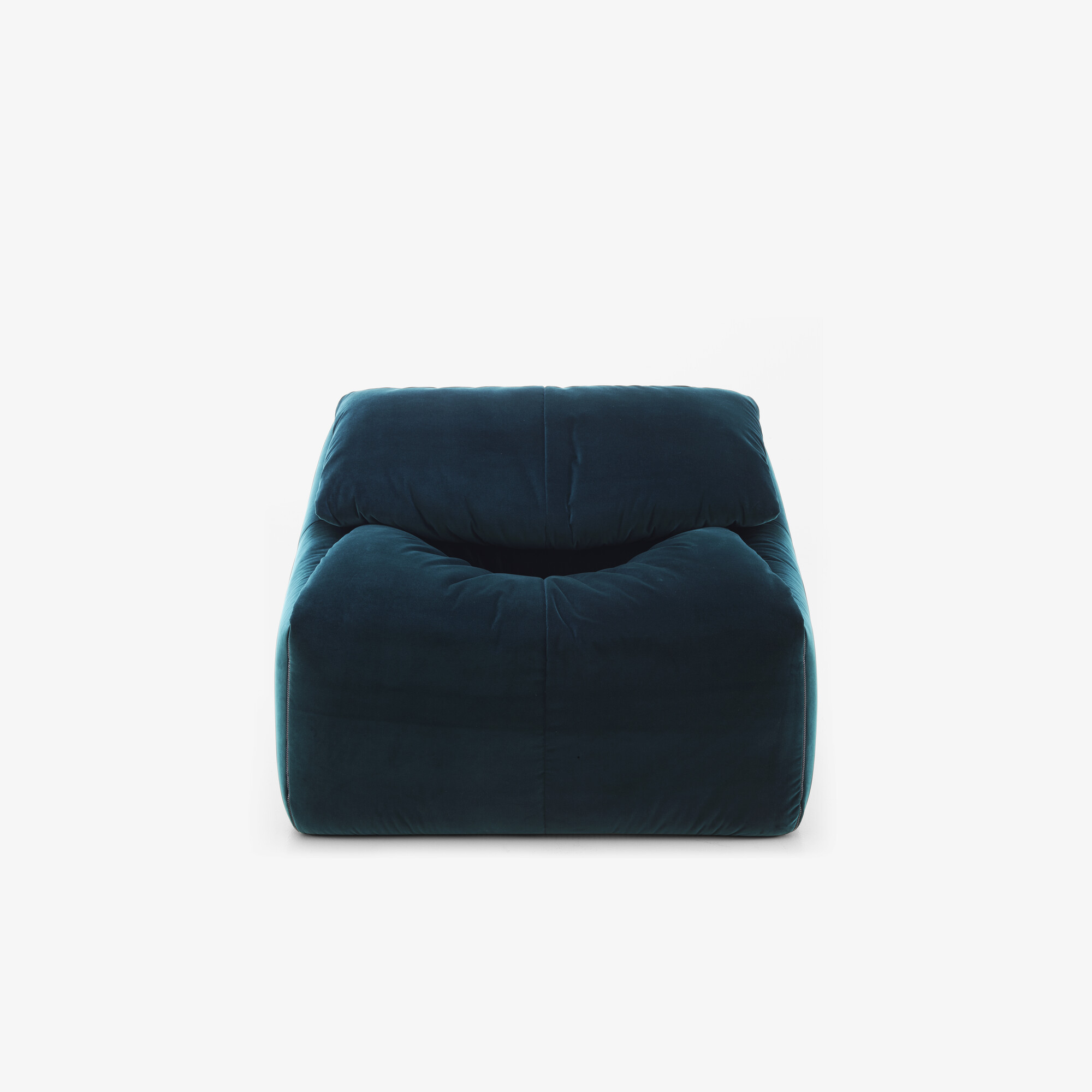
A.H. We had a fair amount of freedom when designing. We were asked for a settee, an armchair, something all-foam, but not only that. Modular items too, or those large settees which at the time we called ‘panoramics’. Although I should say that after a while I kind of fell out of love with those! But I often had lots of fun. I loved working on Plumy [1980, ndlr]. I won’t deny any of my offspring, but this was a particular favourite of mine ! Such comfort ! Feather-filled cushions, including the lower one which unfurled to make a footrest, as if the piece were sticking its tongue out. There is another very geometrical construction of volumes with verticals highlighted by highly visible zips. This is how one removes the cover : by taking its dress off.
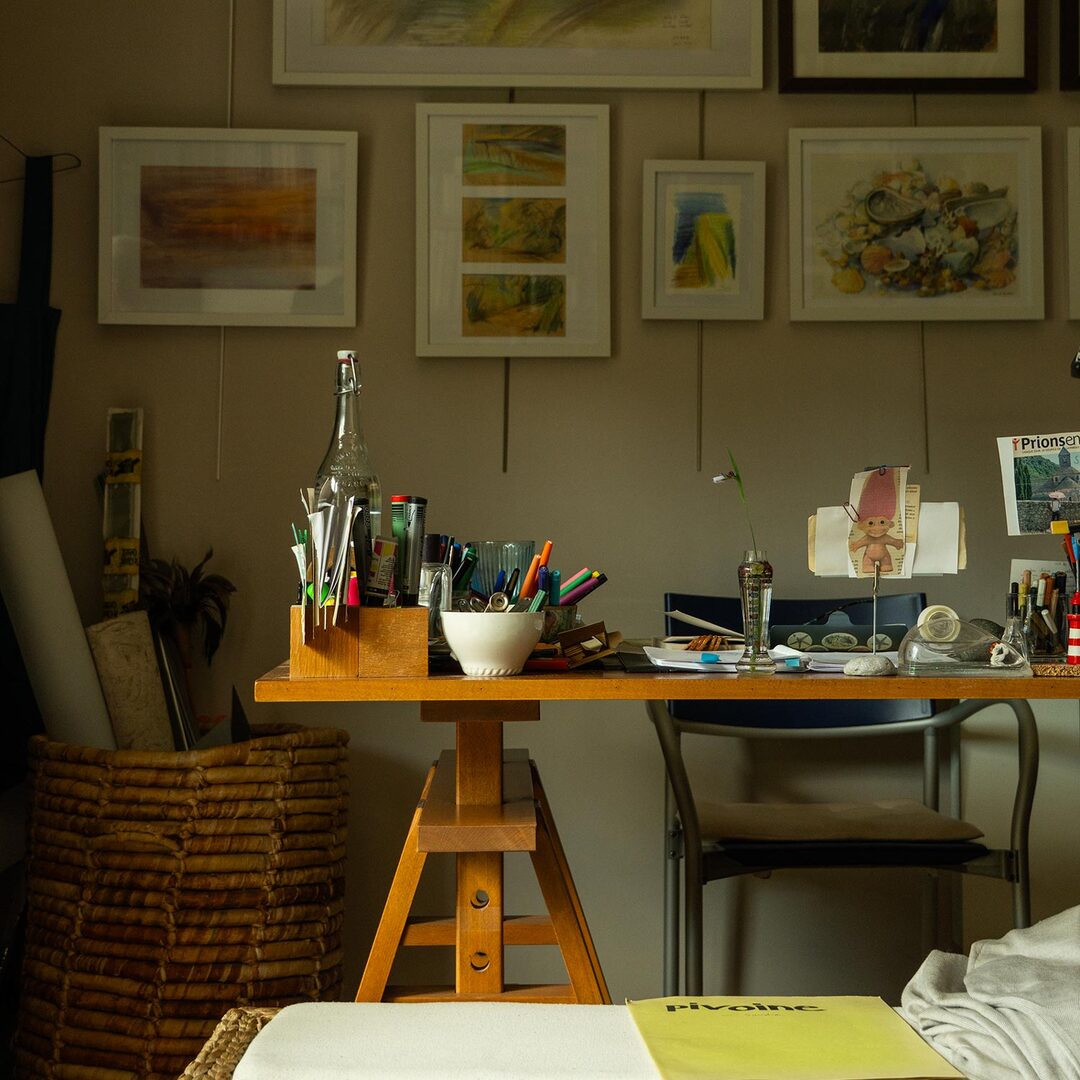
A.H. Afterwards it was made into a bed. The zipped bedcover could be used as a quilt, and the cushions had pillows inside them. Even the bedside table was in foam. I always used to tell myself design stories. I invented a scenario. Like Baba, an allfoam bed-settee ! A mattress folded in two, a quilt inside the bolster. Super-simple. For a long time I myself slept in a Baba. I called it the duffel bag. It had a little bit of “I’m outta here” about it! We didn’t have computers at that time. I had my large table, my rotrings, my rulers. I did all the plans. Full-size. Front view, side view, top view, etc. It was exciting !
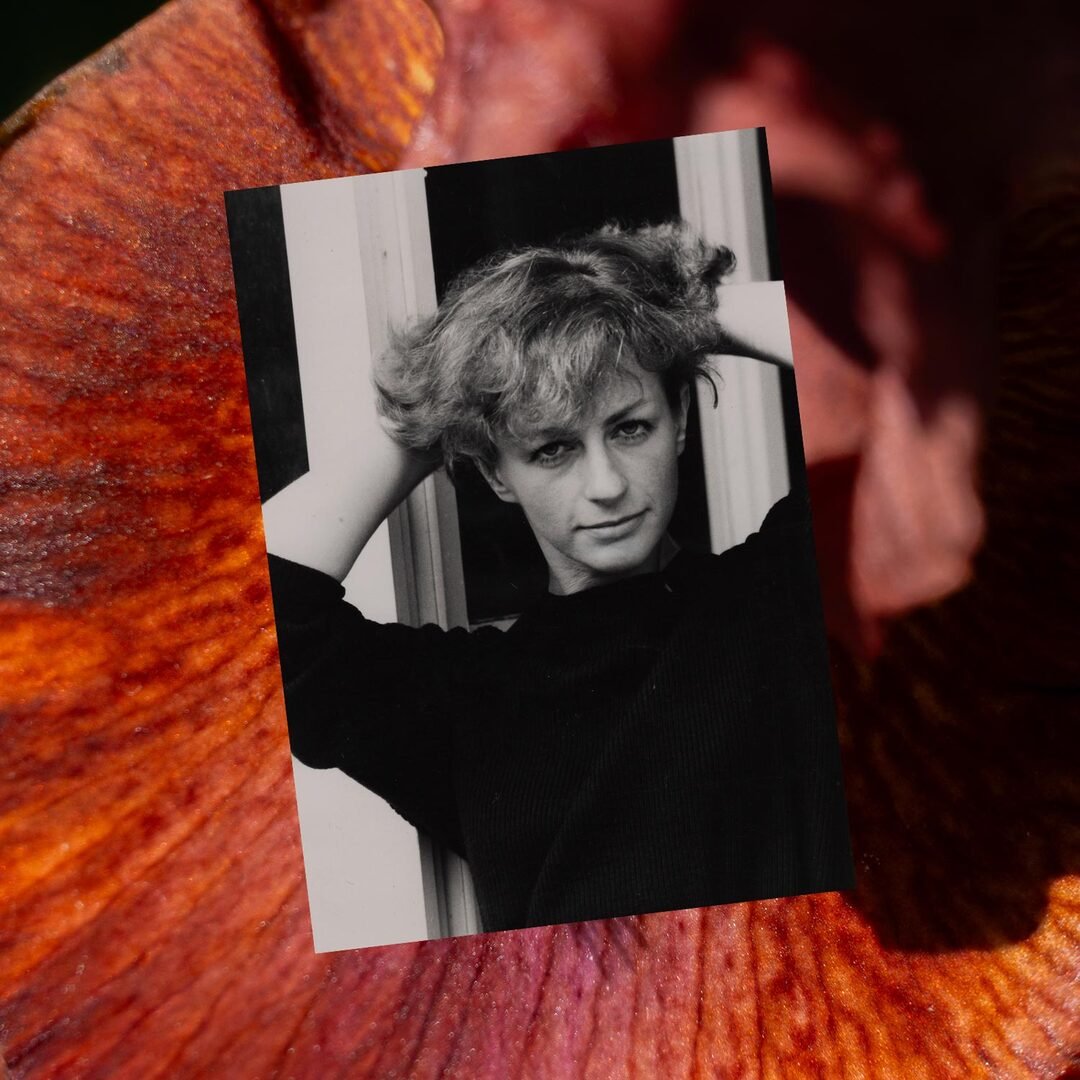
A.H. Yes. But I really didn’t care. I had my work, and I was happy like that. I was pretty friendly with Ducaroy. Essentially, the hardest thing was that I was on my own in Briord. I had left my family, my friends, my partner… We decided not to finish with each other, we had a long-distance relationship. This was perhaps also why I was so keen on making such comforting pieces of furniture.
A.H. Yes, everything ! The architecture, the art, the furniture a bit, and the music. Michel Roset told me to go and look for ideas. But to me that made no sense. Above all I went searching for the joy of creation. Copying had no attraction ! I was a very small character, shy. Design was a world in which I wasn’t particularly at ease. I liked music, the arts in general. And the game. And then there really was this concern for the meaningful, the useful. Unlike today, it wasn’t just about being decorative. I considered it a compliment when the workers in the factory used to say that if it was comfortable, it was Hiéronimus. And this concern for function didn’t prevent us ending up with very lovely things, whilst working on the details.
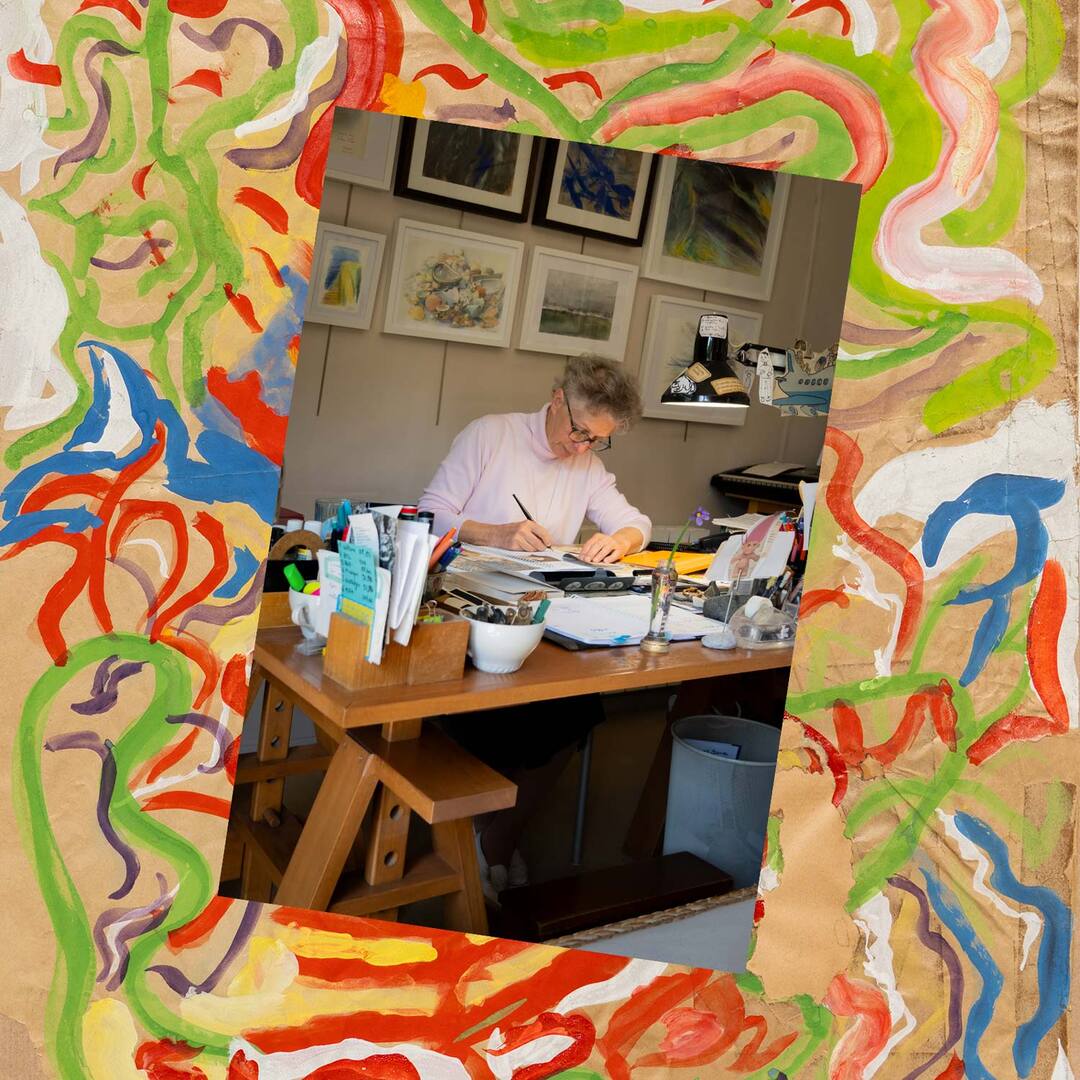
A.H. Let’s say that it’s never been easy, but all the same I’ve had some very happy moments. Most notably I’ve given courses in design and painting, and I continued my work as a plastic artist. What’s most important to me is colour, the joy of creation, of what is, the life force, and also not taking oneself too seriously. I am very happy that Sandra and Plumy have been given a second chance at life. Today I still draw, I write. And I work in my garden ! Look how beautiful it is !
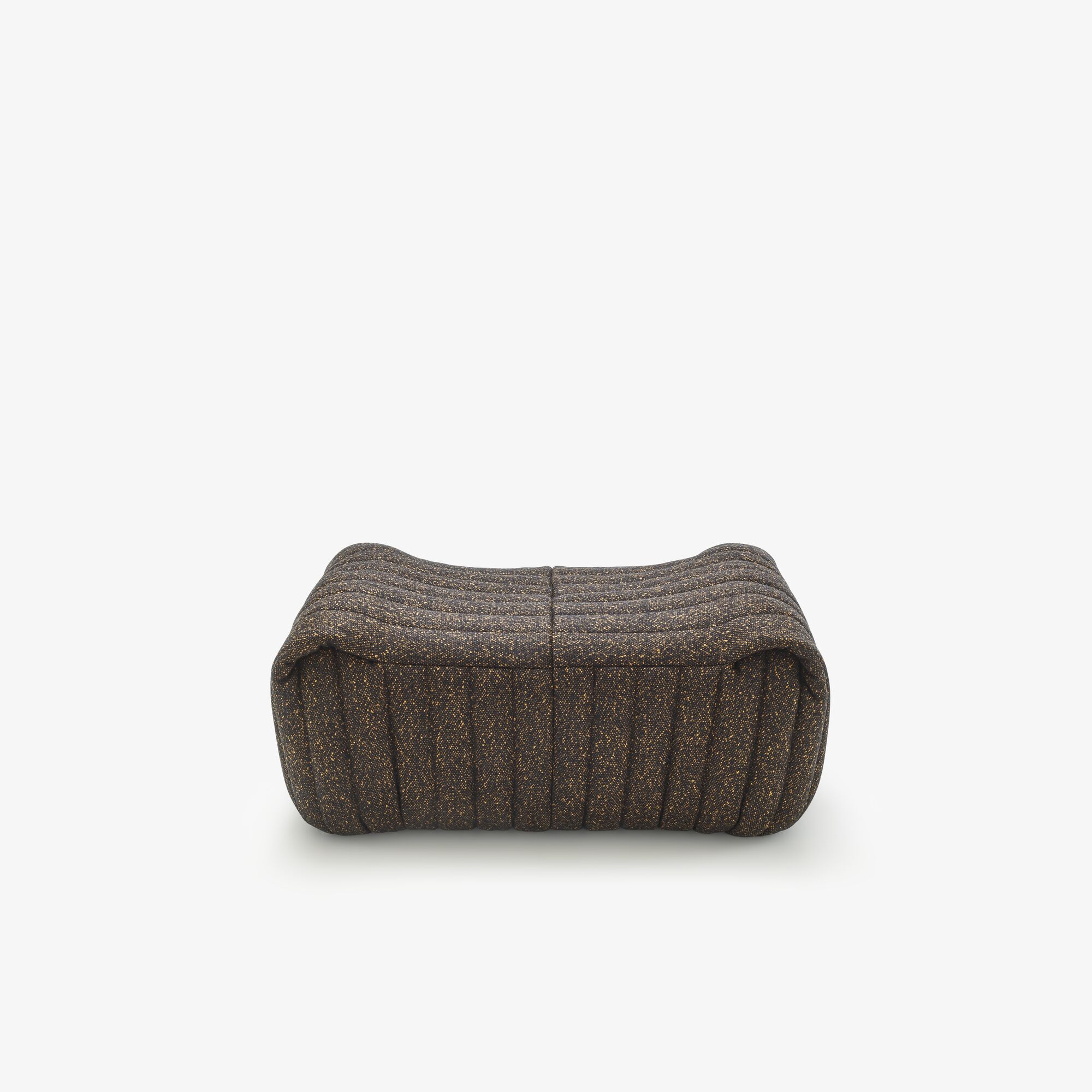
Annie Hiéronimus's products
Discover More
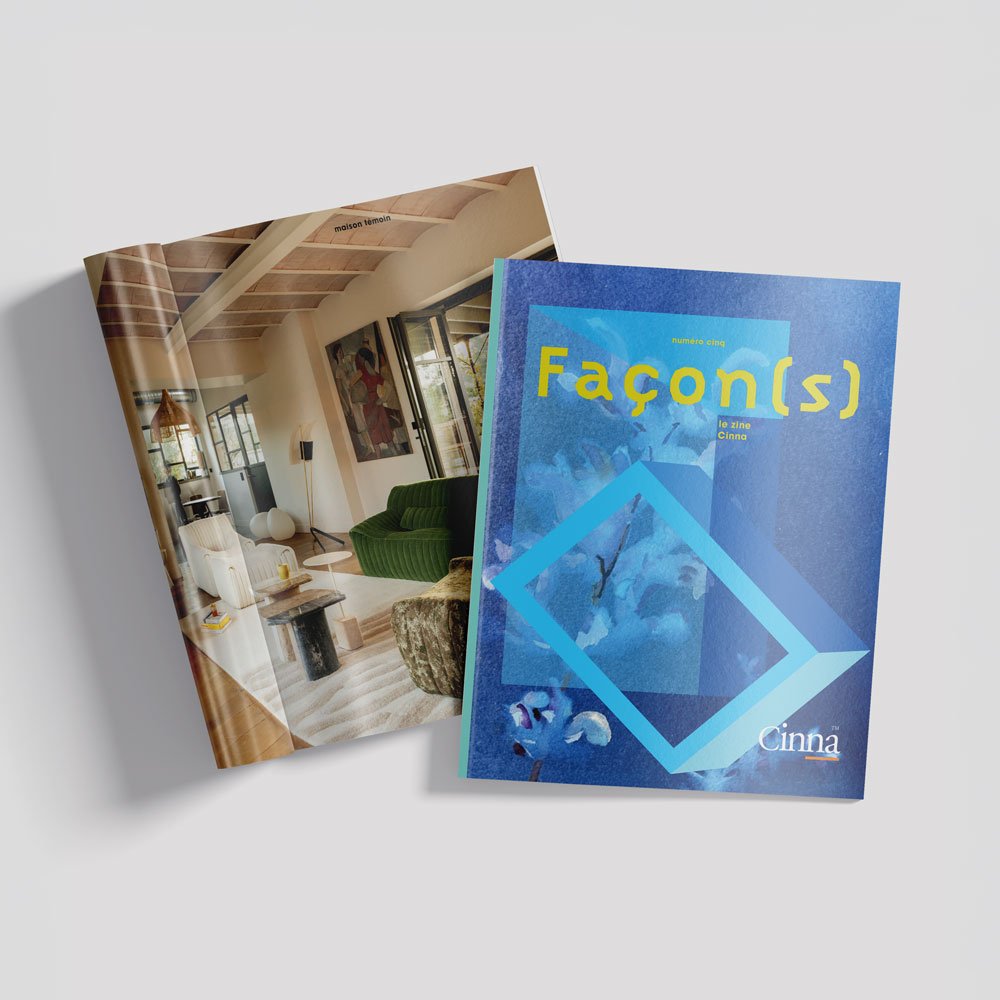
Our online magazine offers a glimpse into our collections and sources of inspiration. To discover the full content, including our creations, atmospheres, craftsmanship and exclusive inspirations, we invite you to visit one of our boutiques to browse the latest issue and fully immerse yourself in the world of the brand by visiting your nearest store.