Product total
€0.00
Shipping : Continue to next step
Total (tax incl.)
€0.00
2-Year Manufacturer Warranty
Sold and shipped by Cinna
30-Day Returns

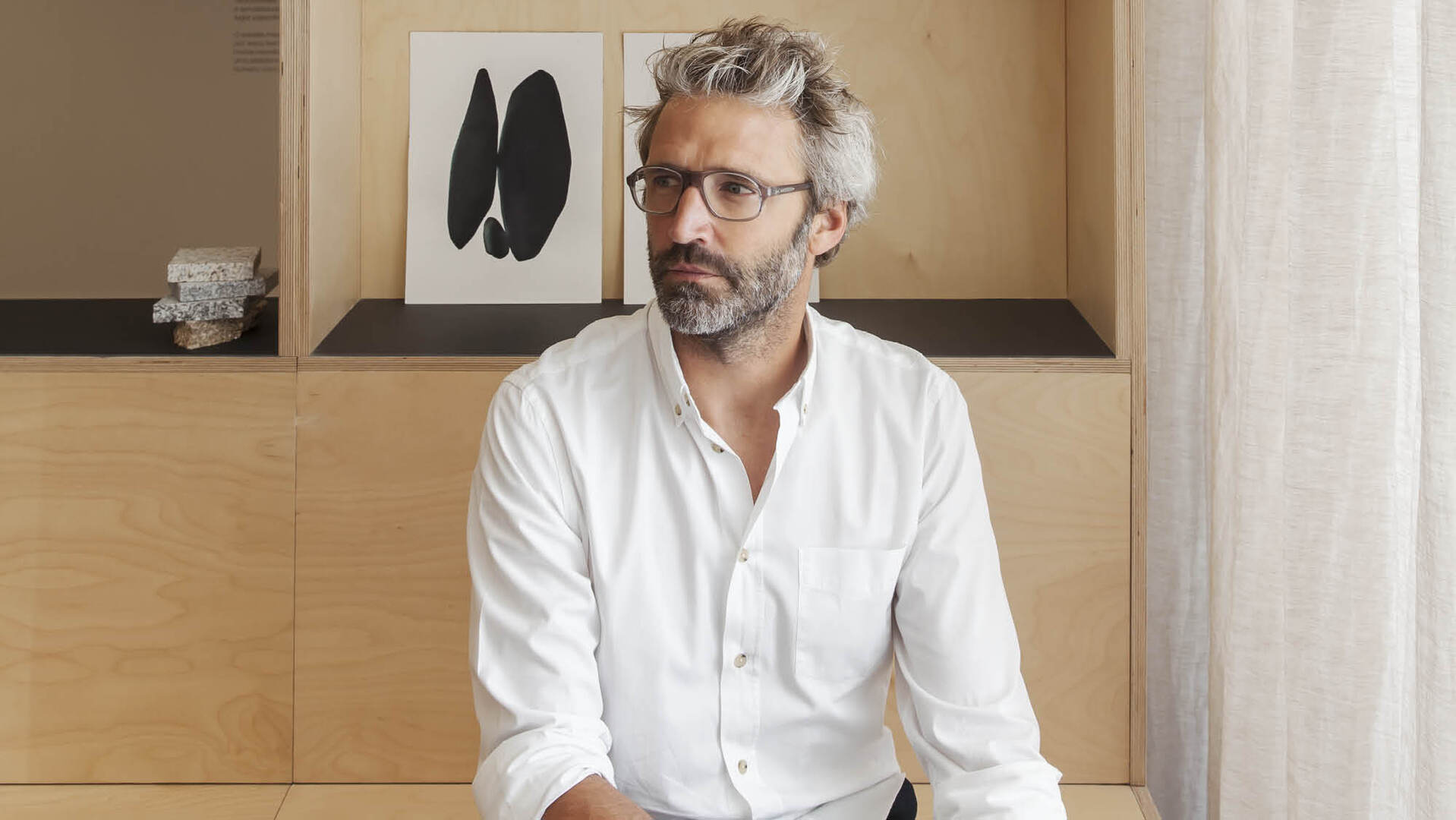
Designer Noé Duchaufour-Lawrance favours in situ design over stylistic effects. A context-dependent approach, with objects viewed as proposals which are connected to specific, local expertise; embodied by materials; and which are lent form by materials; and which imbue humanity. The essential condition of sustainability, of validity, in a world in transition, often uncertain. A meeting.
Interview by Maëlle Campagnoli
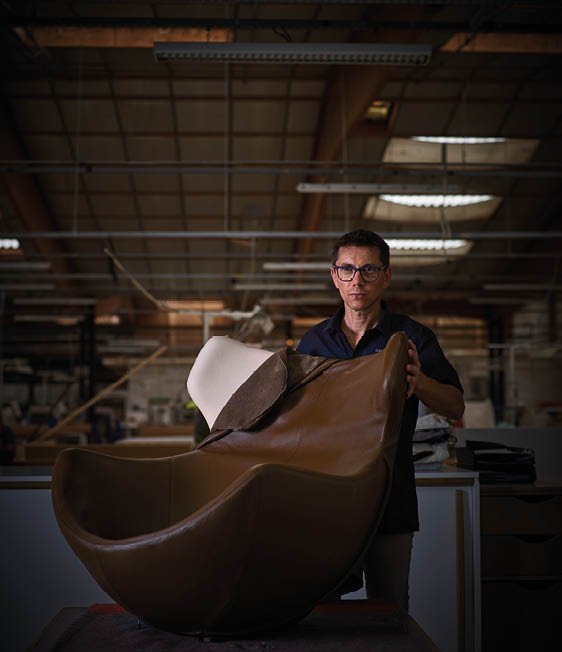
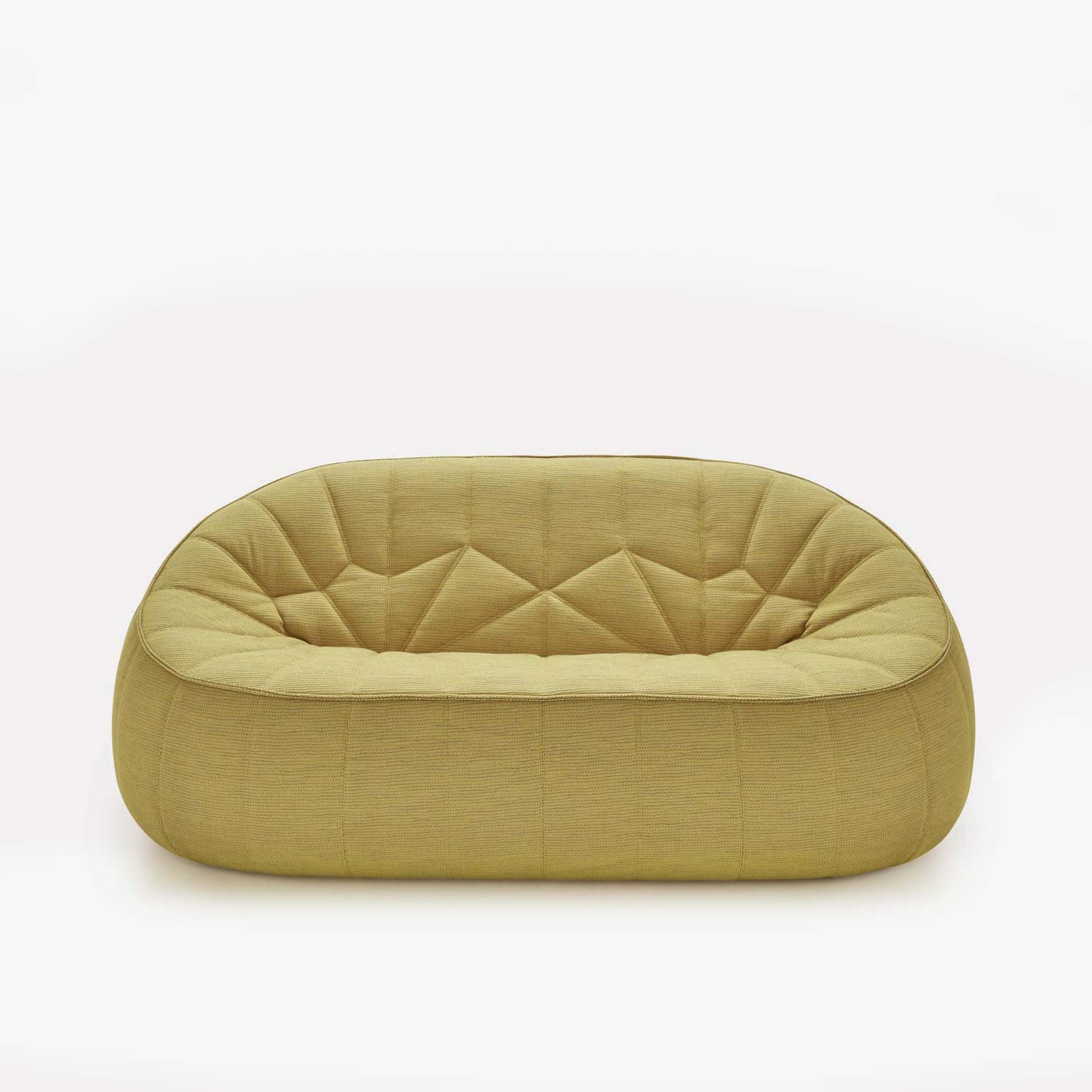
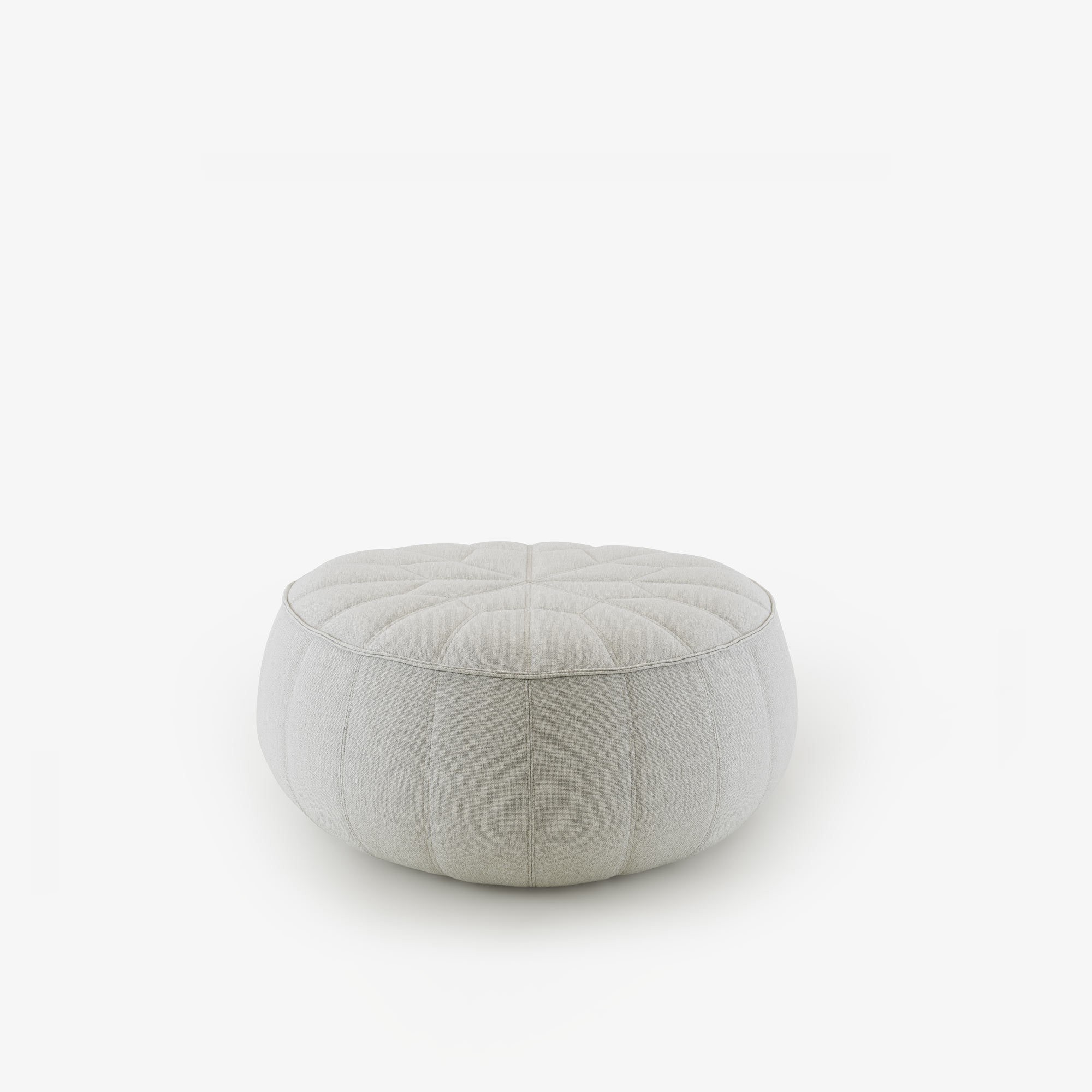
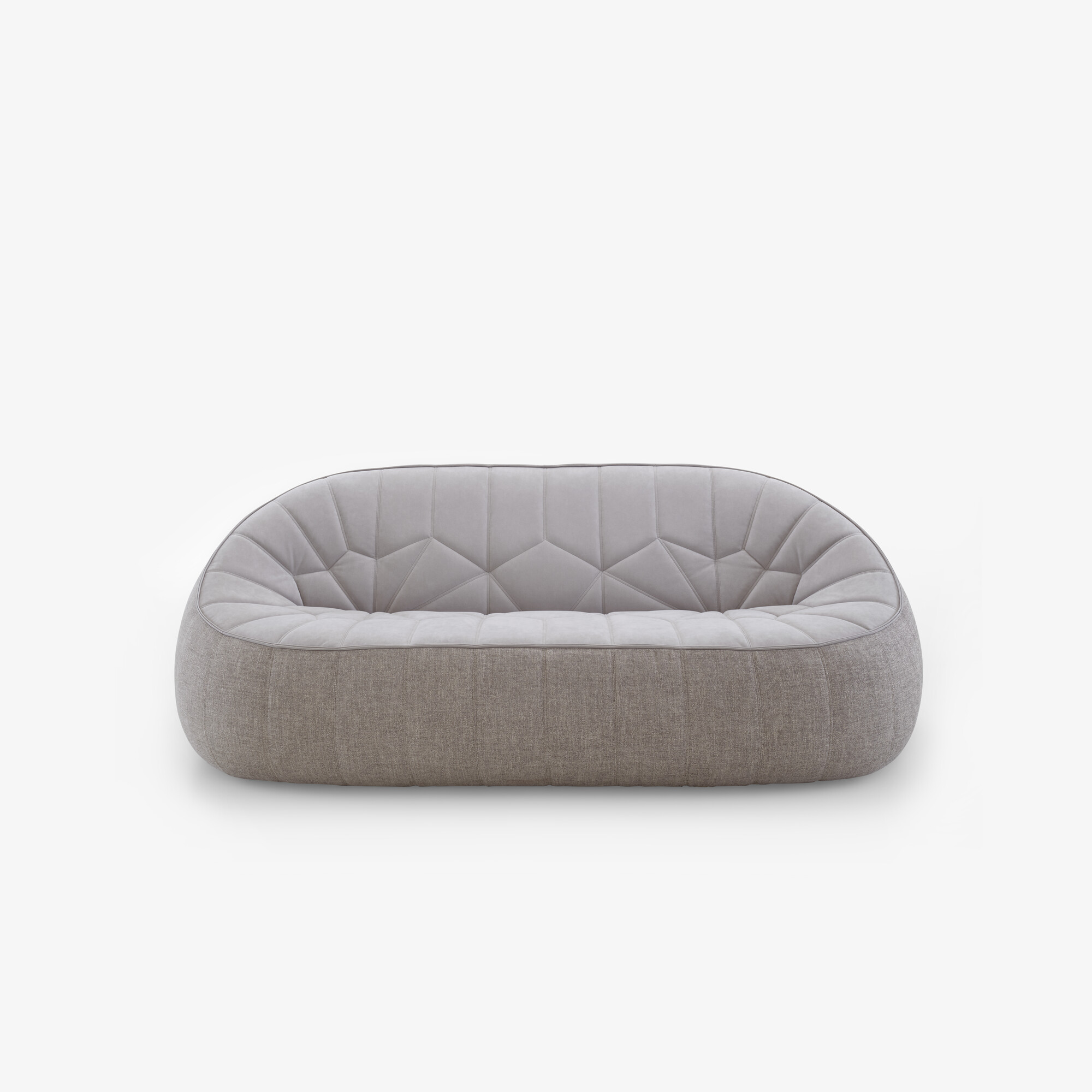
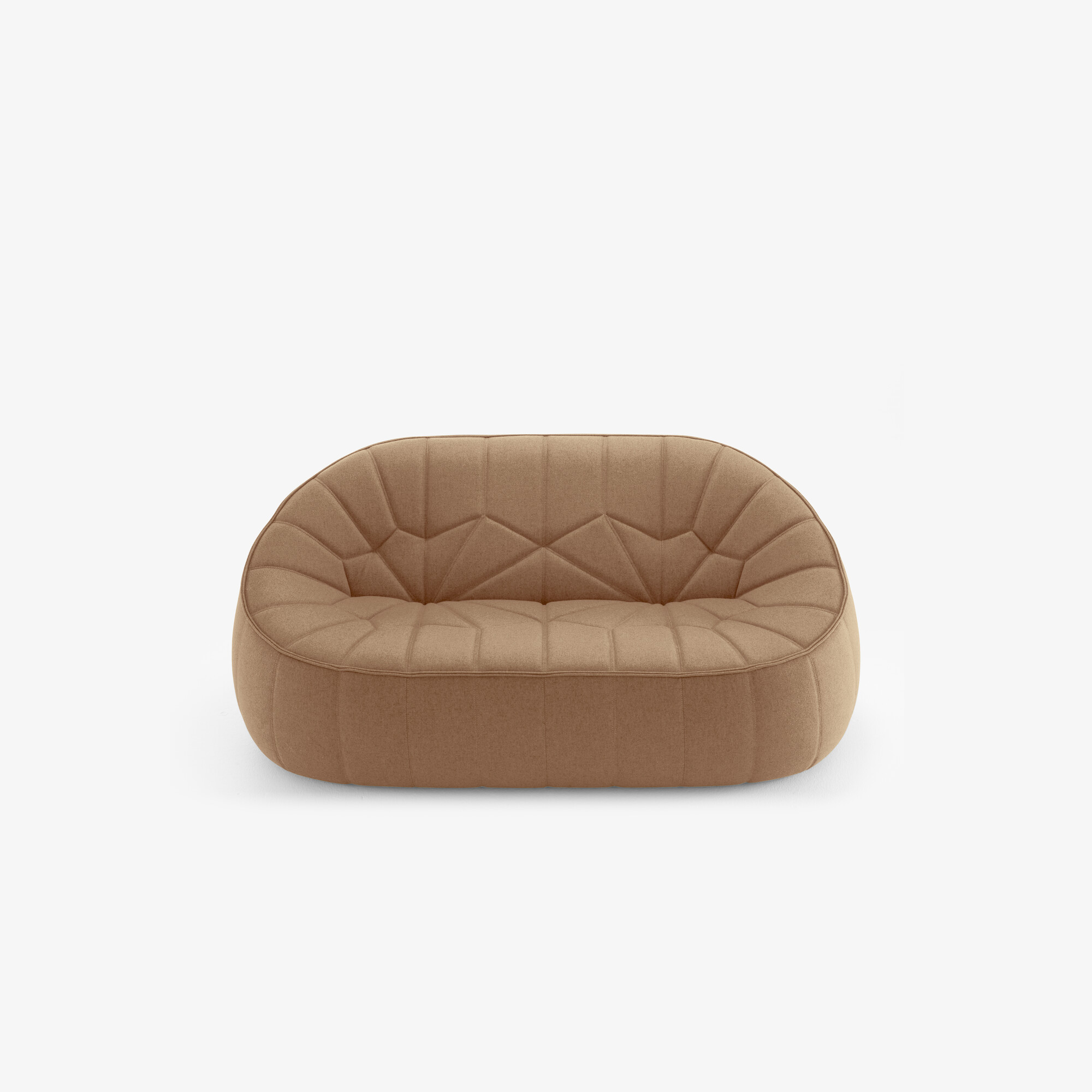
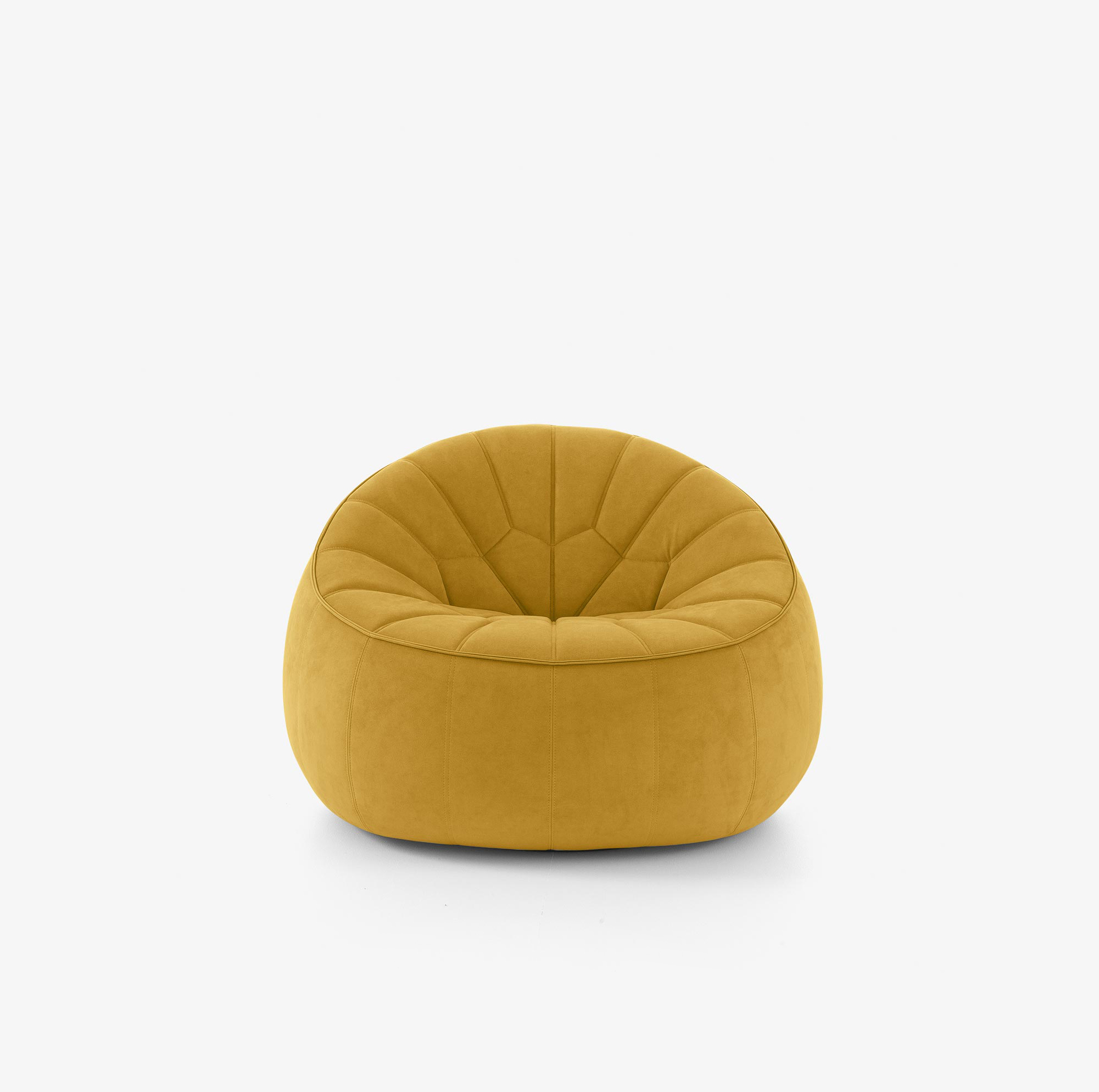
N. D.-L I was working on a hotel project in Morocco which was brought to a complete halt by the 2008 crisis and was never completed. But by that point I had designed a curvaceous armchair, inspired by the geometrically patterned footstools typical of the region, which was to be used in the bedrooms and communal spaces. We needed a manufacturer to produce it, and Cinna was in the frame. Michel Roset’s interest in the model was immediate, and he decided to add it to the collection. At this point, my time was almost completely taken up with interior architecture. Even if my dream, my desire and my training was to make furniture. I was ecstatic !
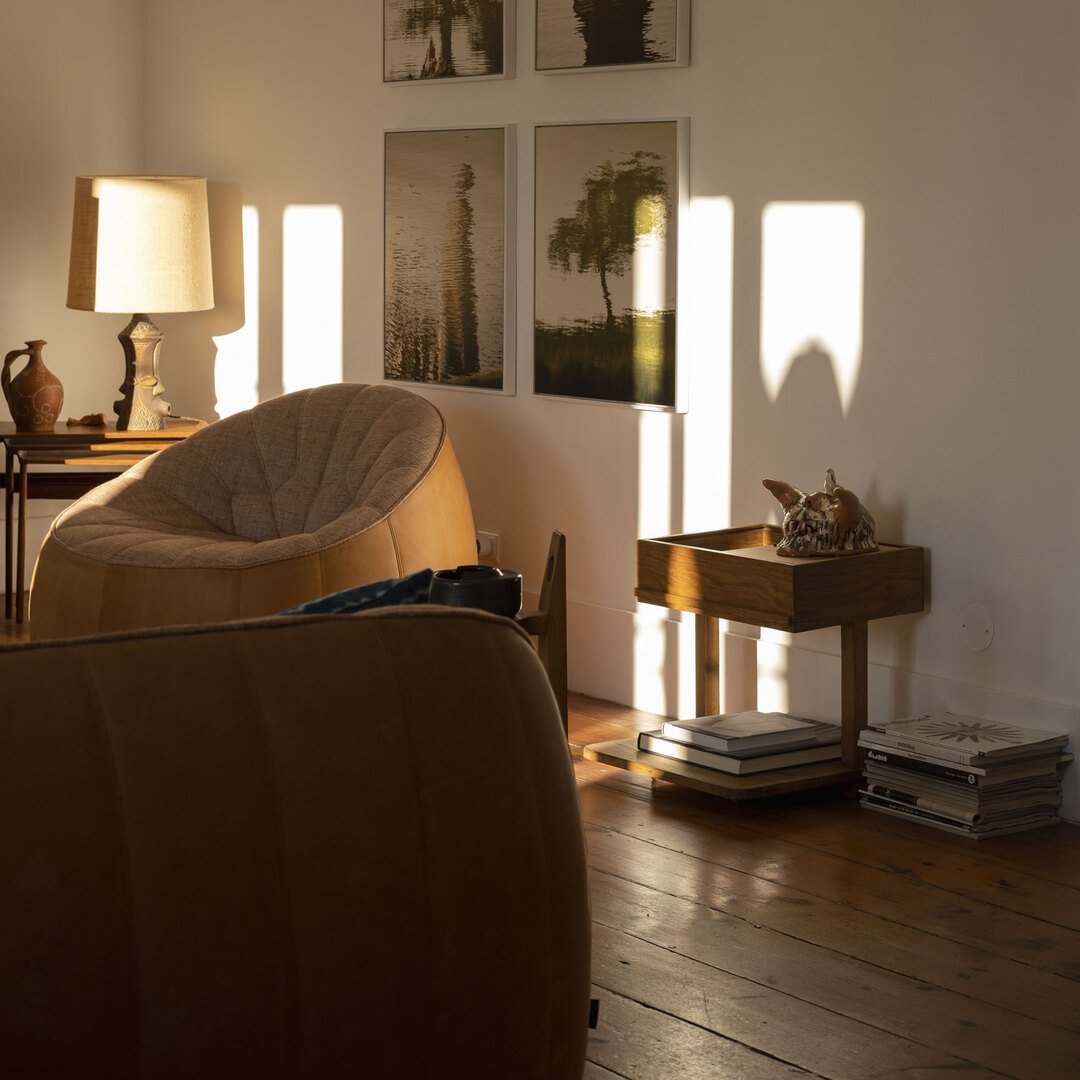
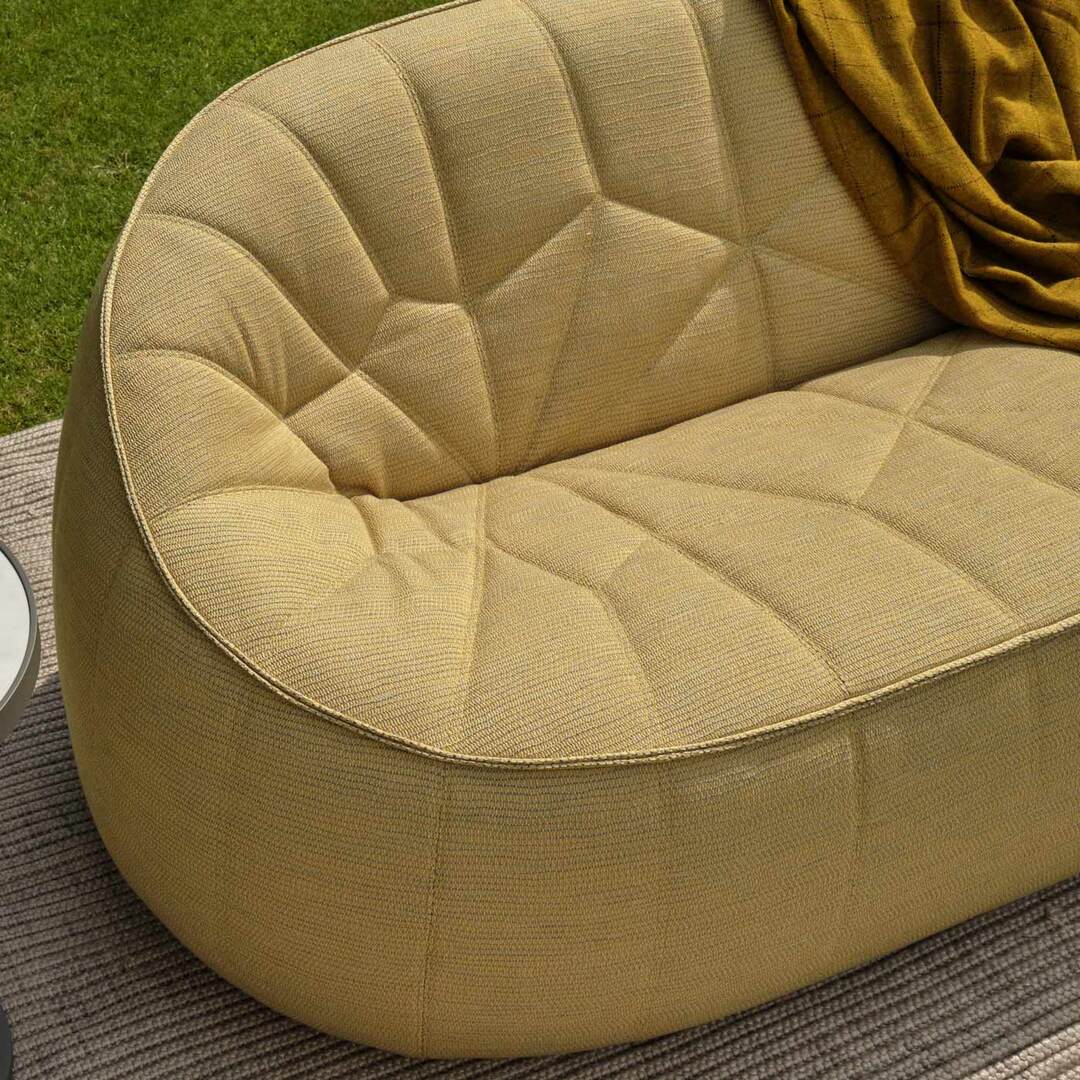
N. D.-L. Yes, exactly ! The original design principle was to reshape the traditional footstool which had been my inspiration, pushing parts of it upwards to create a backrest, giving the seat wonderful proportions, most notably thanks to the detail of the stitching. But the model really came to life in the hands of Cinna. This is where the company’s expertise is critical: their deep understanding of comfort, not only in terms of their expertise with foam, but also (and especially) with upholstery, covering materials and sewing. All of which contribute to optimal support and comfort. Then we broadened the collection with the addition of a settee and footstool. The dialogue, the conversation with Cinna really did enrich the project. Furthermore design for me is a profession in which mutual understanding is key.
N. D.-L. I began working in the noughties, at a time when one wanted science fiction, evanescence, abstraction, as if the dematerialised future was beauty, whilst today one realises that what one really needs is material, force of character, incarnation, humanity. To do less, but better. I like things to endure, to age with us. Even this is anti-economic [smile, editor’s note]. In our world, fashion in dangerous. Fast fashion is monstrously wasteful and it absolutely must not transpose to furniture. Then, design is a difficult, paradoxical craft, particularly in the times in which we are living. How to project oneself in an uncertain world, with the awareness of all the environmental problems related to overproduction, the finite nature of resources, etc. ? What can one bring, or do ? What enables me to carry on picking up my pencil is the voice which tells me that I am part of an enduring story and that I am not just responding to a demand for immediate stylistic gratification, for consumption, just because of a trend.
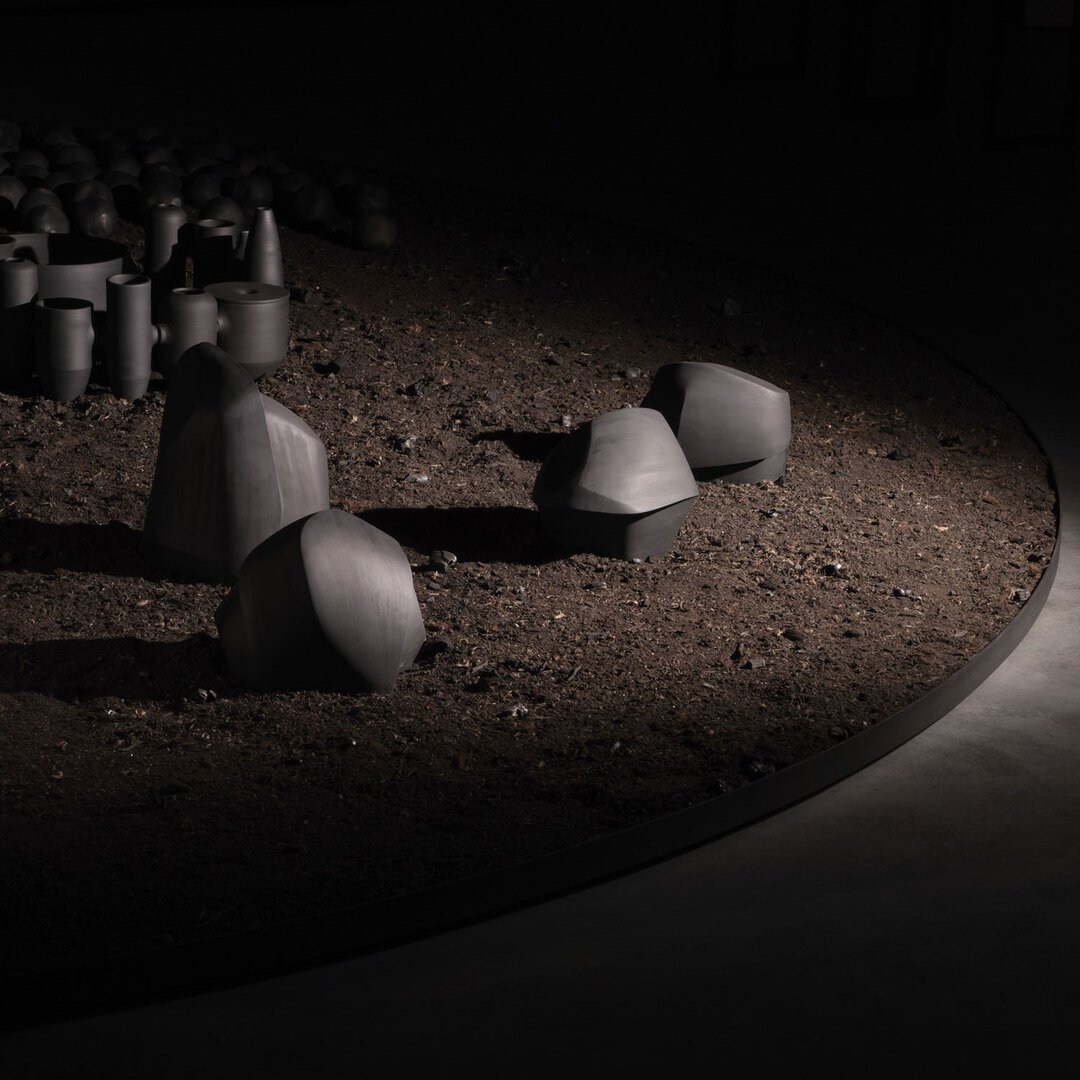
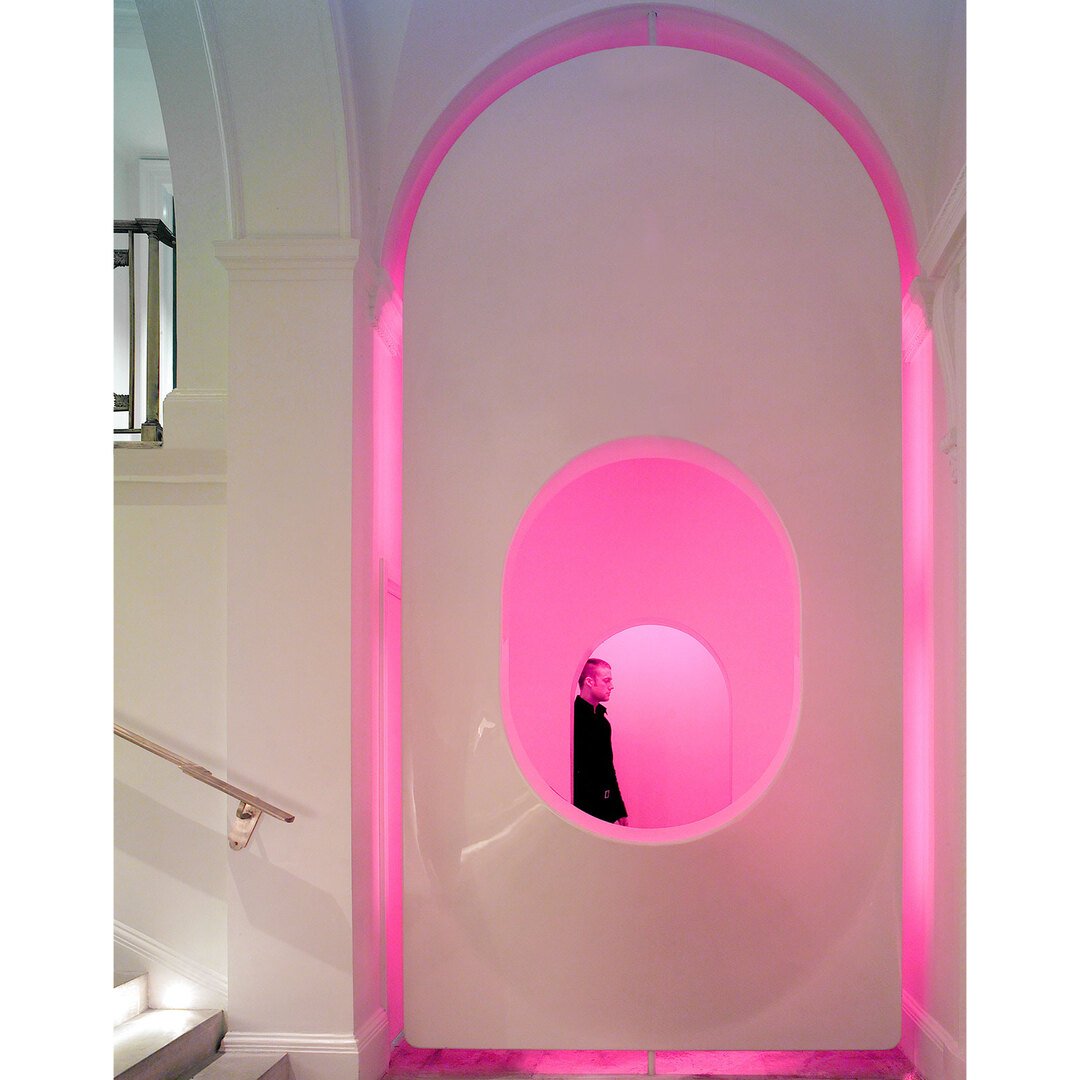
N. D.-L. For me, working with exceptional craftsmen, keepers of a culture, written into historical, patrimonial continuity, in all senses of the term, the relationship with the material and with the design, the balance of proportions, the aesthetic pertinence without stylistic effects is a possible solution. I have also produced fewer mass-produced pieces in the past few years. I am very invested in the Made in Situ project that I’m leading in Portugal, which is more a kind of protocol, of in situ design, which connects a region, a terroir almost, what is on the ground, the earth, with techniques and people, the hand, the artisan. I design nothing without having brought these three elements together. These are the very origin of the project. A narrative design, in which the object is not the final point
but one of its elements. This is a project which means a great deal to me because it anchors design in reality
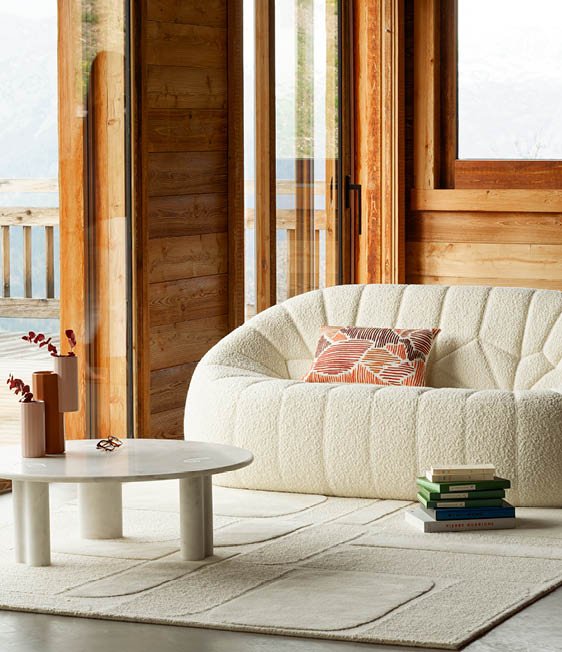
I.S. Ottoman is rooted in the ground, it comes from the ground, it’s an object which is evocative of a culture, a journey, something which has been completely humanised. And yet I never imagined it would be quite so successful, that it would endure without going out of fashion. I was more surprised than anyone…and obviously delighted ! But
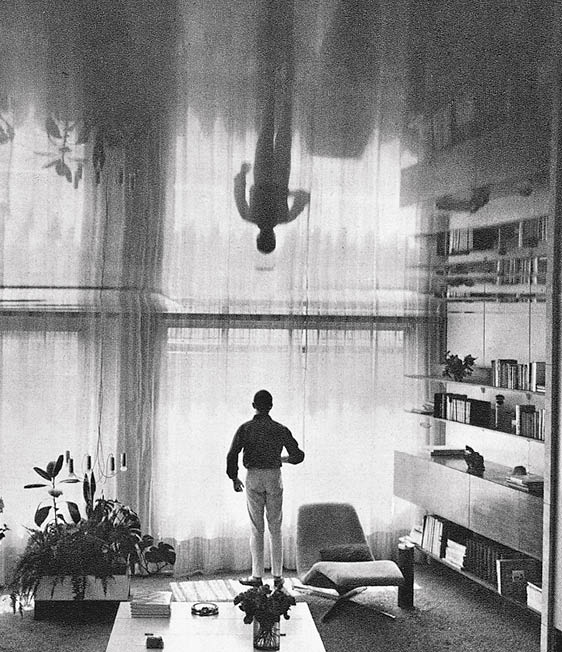
it is also part of a narrative affiliation with pieces such as those of Michel Ducaroy or Pierre Paulin, in which the designs have not gained the slightest wrinkle in 50 years. I believe it has a kind of stability.
The Ottoman Collection



Discover More
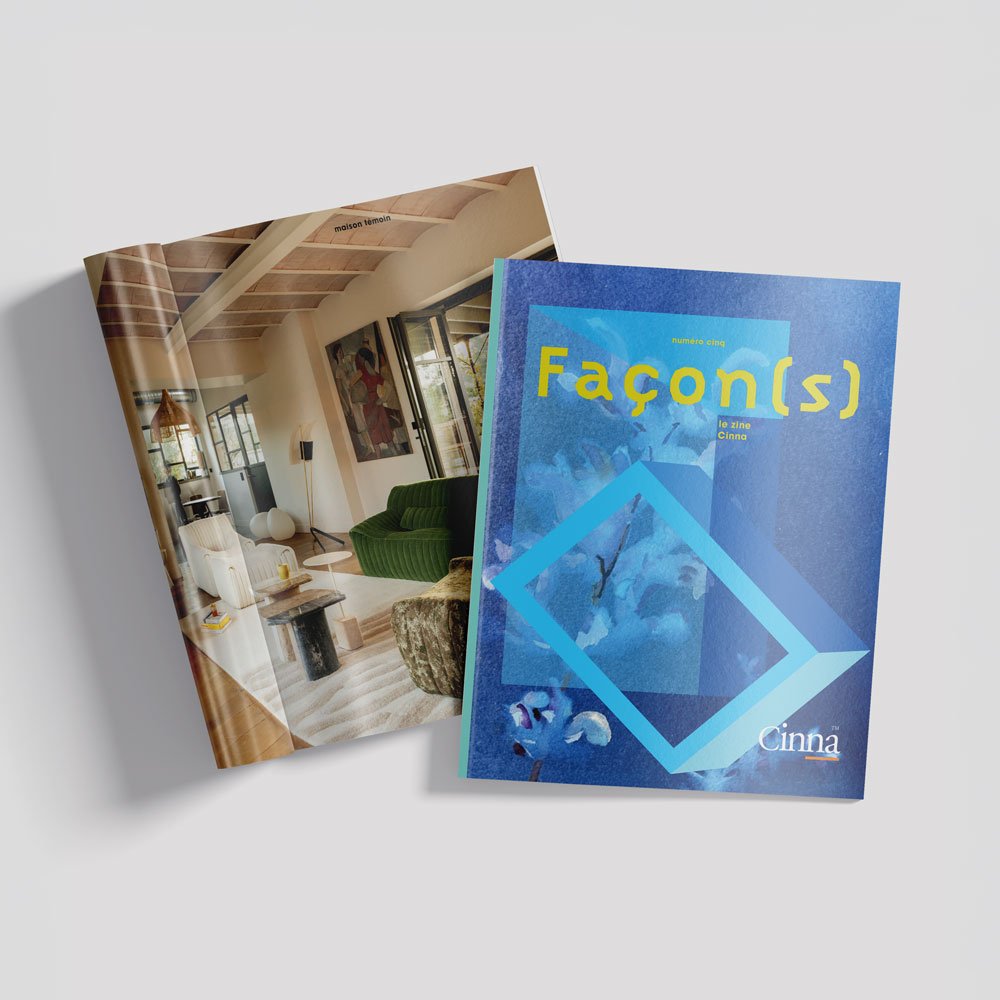
Our online magazine offers a glimpse into our collections and sources of inspiration. To discover the full content, including our creations, atmospheres, craftsmanship and exclusive inspirations, we invite you to visit one of our boutiques to browse the latest issue and fully immerse yourself in the world of the brand by visiting your nearest store.